
Large-diaphragm studio condenser microphones: the solid-state Telefunken TF17 and tube Telefunken TF39
Maxim Liadov
Telefunken has an important place in recording history and can fairly be called a legendary brand. One of its best-known products is the U47 microphone, first introduced in 1947. The microphone was developed around a Neumann K47 capsule and a Telefunken VF 14 vacuum tube. The U47 was first sold under the Telefunken name and only later under Neumann. Mergers, company divisions, and changes in brand ownership are common in German industry. Telefunken itself was formed through the joint efforts of three groups, including the well-known Siemens. Today, the Neumann brand belongs to Sennheiser, which supports the funding and manufacture of its original products.
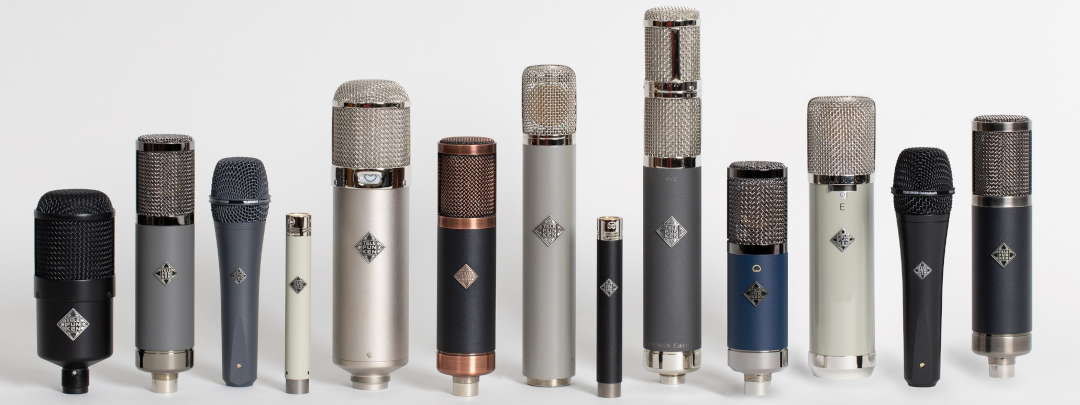
Telefunken's history goes back more than 100 years. The company has been reorganized several times and continues to develop. Since 2001, the brand has been represented by Telefunken Elektroakustik, based in Connecticut, USA. The company recreates historically accurate versions of high-end vintage microphones originally made at Telefunken factories in Germany. These follow the original technical specifications, documents, and drawings. Fully interchangeable modern parts allow old microphones around the world to be restored accurately. Telefunken also regularly introduces new models that develop the German classics with the benefits of modern technology. All microphones are handmade in America. Contrary to a common assumption, no microphone parts are purchased from China. All components are made in the USA, except for transformers imported from the EU. We greatly respect the enthusiasm, determination, and hard work of Telefunken Elektroakustik.
Our test covers the more affordable microphones in the range, the Telefunken TF17 FET Black (93 thousand rubles) and Telefunken TF39 Copperhead (177 thousand rubles). It is worth adding that the top Diamond series models cost more than 1 million rubles.
Telefunken TF17
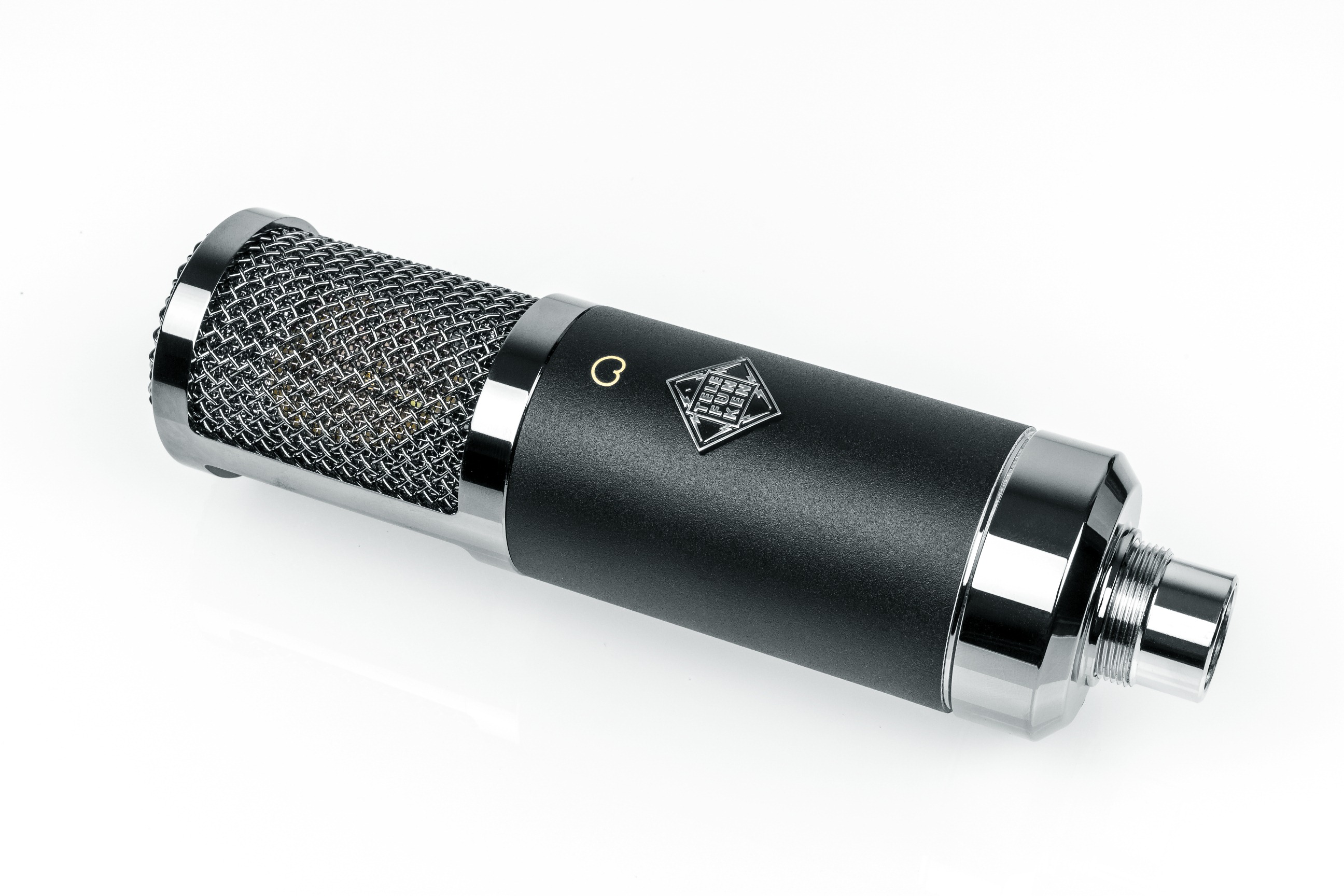
The TF17 is a solid-state condenser microphone and the latest addition to the Alchemy series. This relatively affordable phantom-powered condenser microphone combines a classic sound with modern components. It offers rich, detailed sound, a strong transient response, high sensitivity, and low noise. The TF17 is suitable for vocals, grand pianos, and guitar cabinets. In the official video, the manufacturer describes home studios as the model's main audience. Its attractive price supports that positioning.
The housing has a black powder-coated finish and nickel-plated parts, retaining the TF11 form factor. The compact body needs no external power supply or special tube-microphone cable. This makes the TF17 easy to set up, transport, and use at home or on tour. The package includes a storage case, a leather dust cover, and two mounting options.
Telefunken TF17 specifications
- Type:Solid-state condenser
- Polar pattern: Fixed cardioid
- Frequency range: 20 Hz–20 kHz, ±3 dB
- Power supply:+48 V phantom power
- Capsule: TK47S, single diaphragm
- Transformer: OEP/Carnhill T217
- Sensitivity: 12 mV/Pa, ±1 dB
- Distortion (1 kHz, 1 Pa): 0.01%
- Impedance: < 200 ohms
- Maximum SPL (1% THD): > 135 dB
- Signal-to-noise ratio: 91 dBA
- Self-noise: 3 dBA
- Dimensions: 175 × 46 mm
- Weight: 545 g
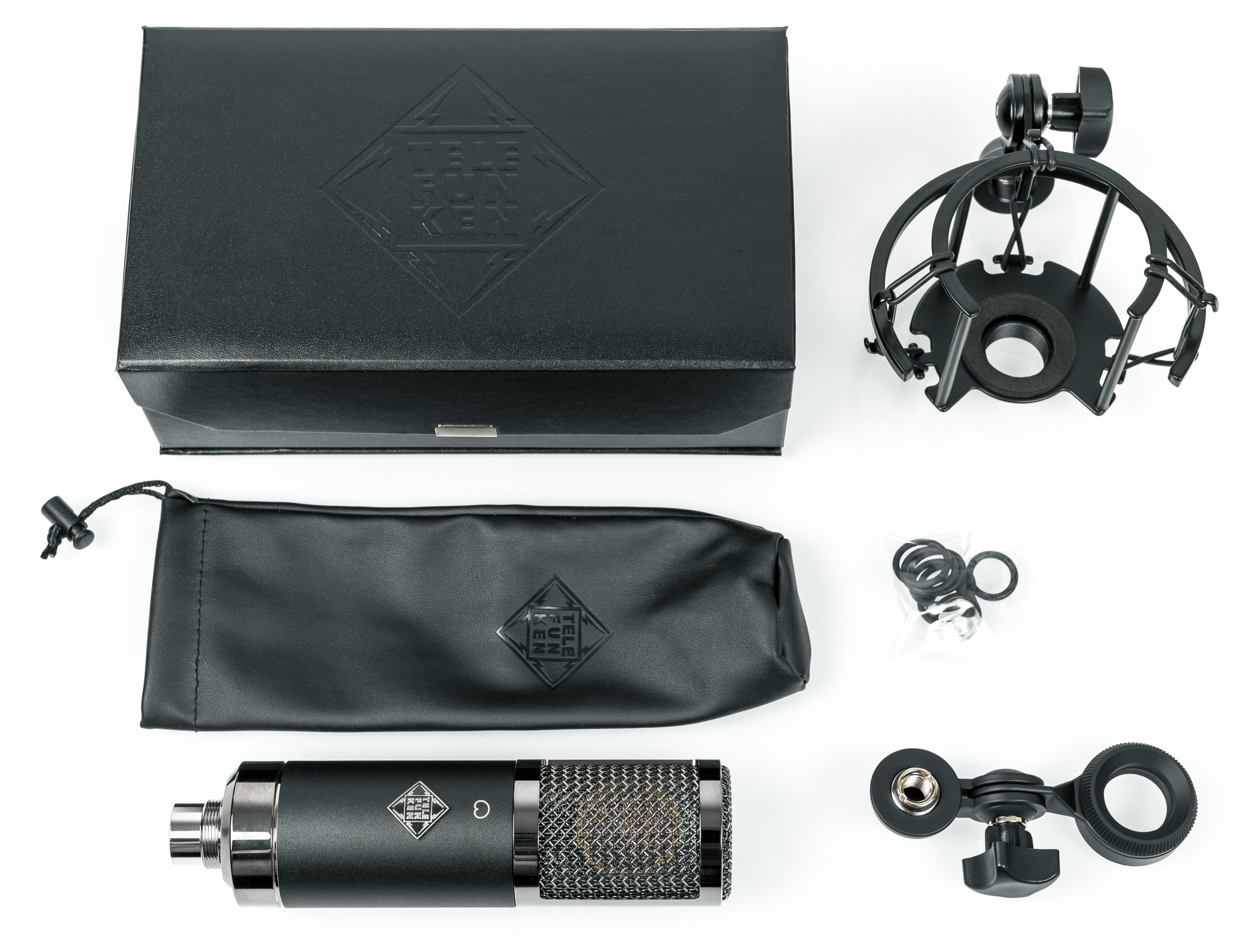
The photo shows the extensive accessory package. The strong case with foam storage compartments and the elastic shock mount deserve special mention. Spare suspension rings, a printed manual, and branded stickers are also included.
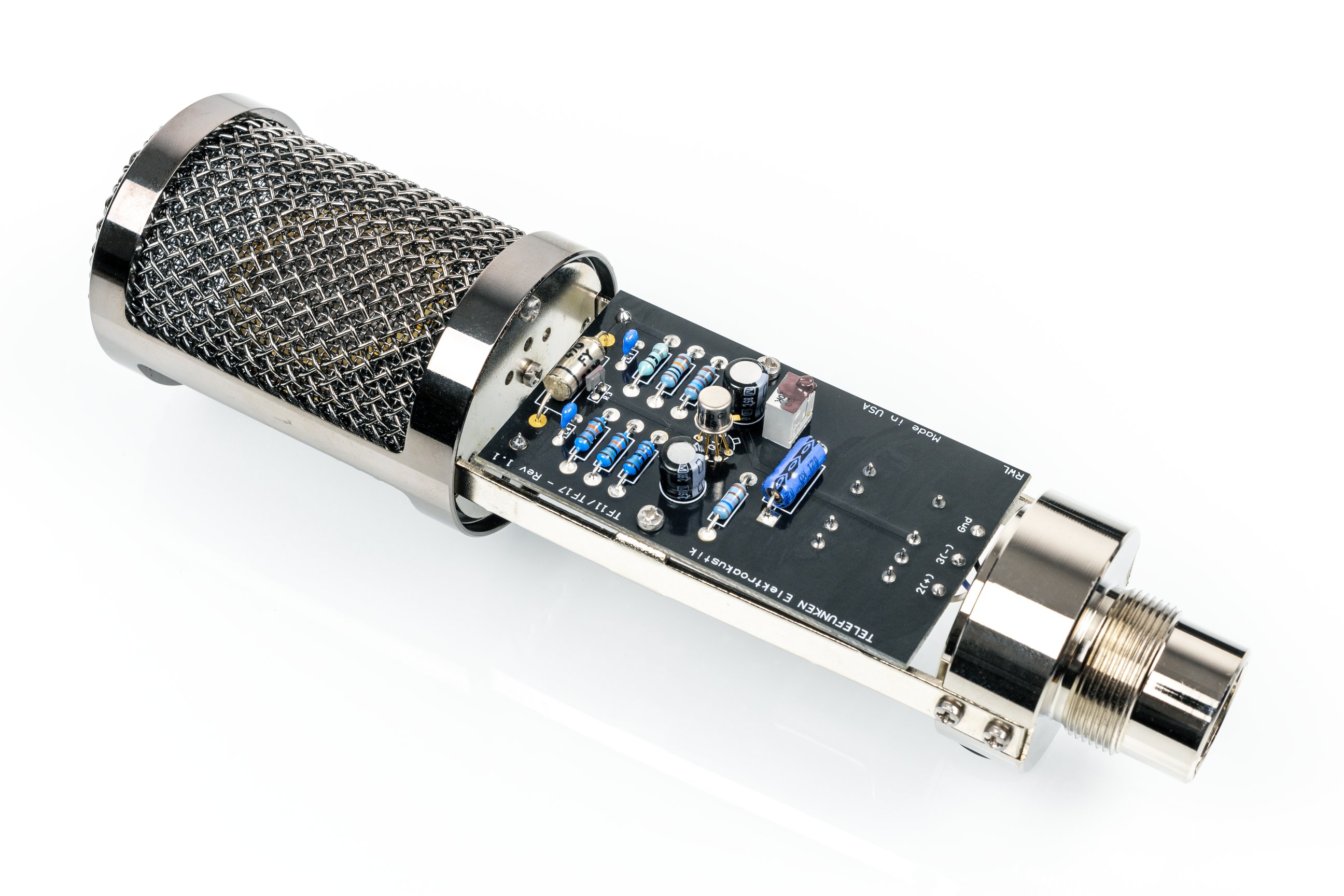
We are pleased to share our photos of the microphone's internal construction. The circuit is a proprietary version of the classic field-effect transistor (FET) amplifier used in the M60 and TF11, with a British OEP/Carnhill output transformer. Components include British polystyrene capacitors, Nichicon Fine Gold electrolytic capacitors, and an ultra-low-noise FET.
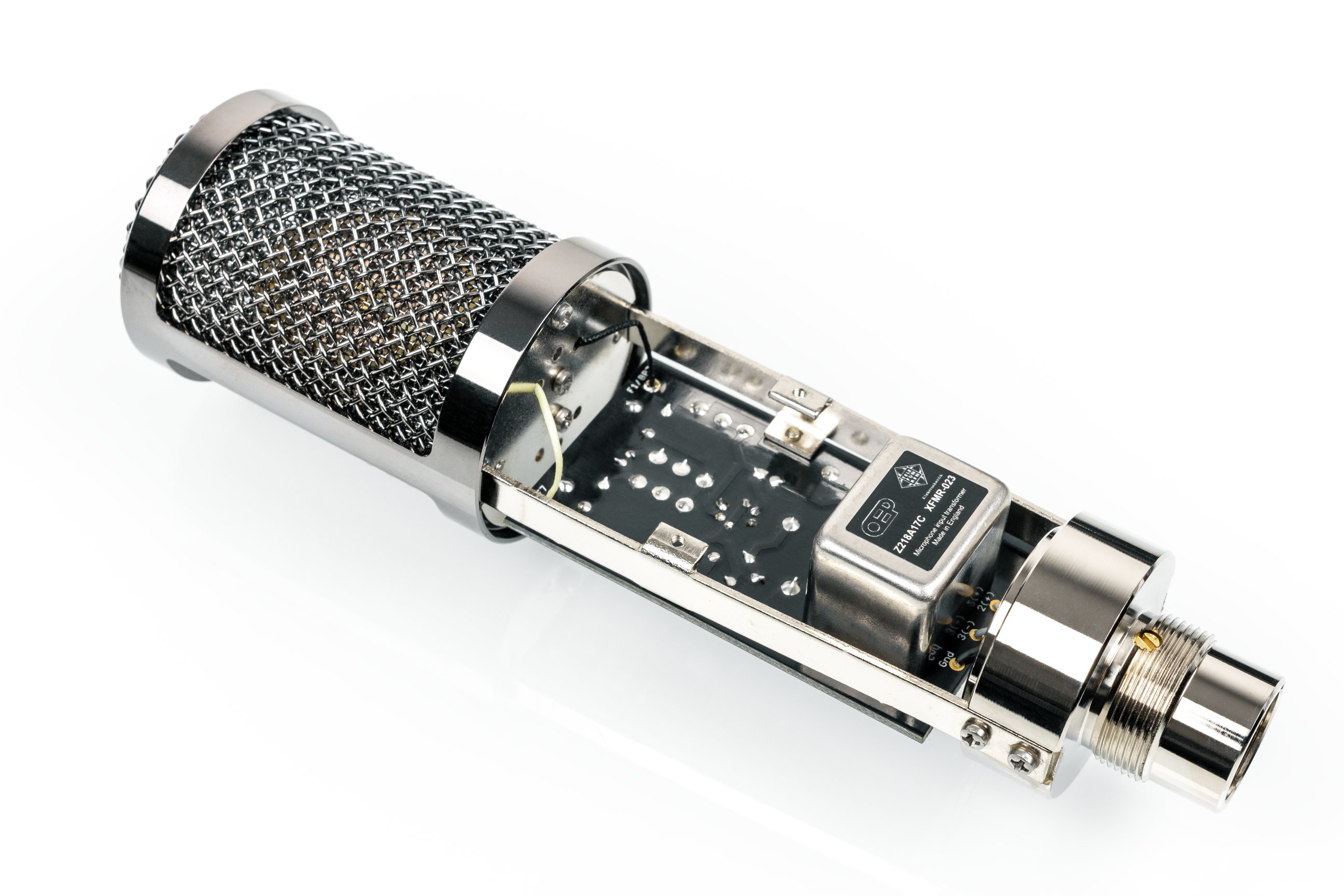
The transformer serves a practical purpose by matching impedance to the transmission line. It also adds the brand's characteristic tone to the sound.
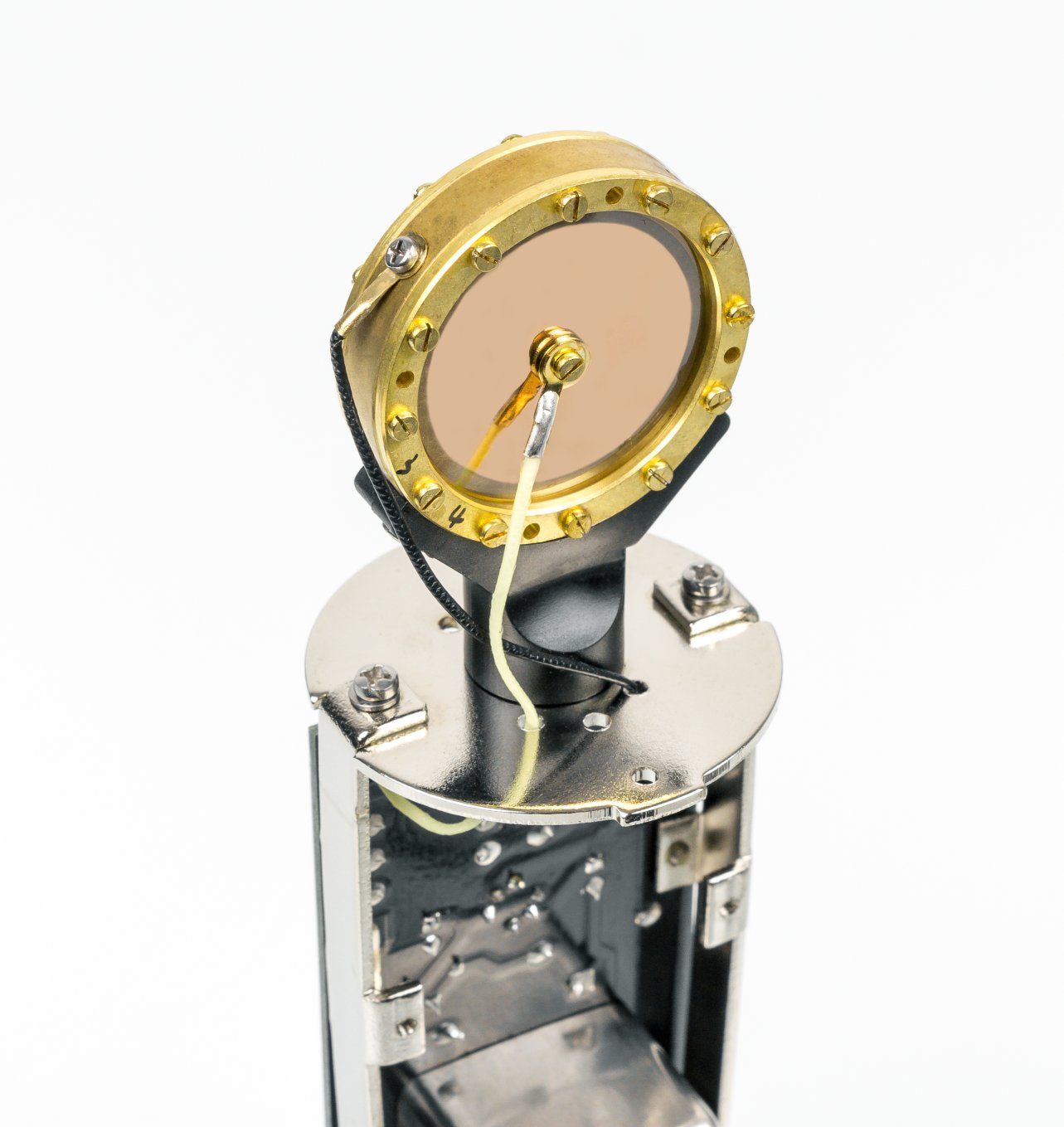
The center-terminated TK47S capsule has a fixed cardioid polar pattern. As its name suggests, it follows the classic K47 design. A direct competitor to the TF17 within the same range is the TF11. That microphone uses a very different C12-style capsule, inspired by the classic Viennese 414 microphones.
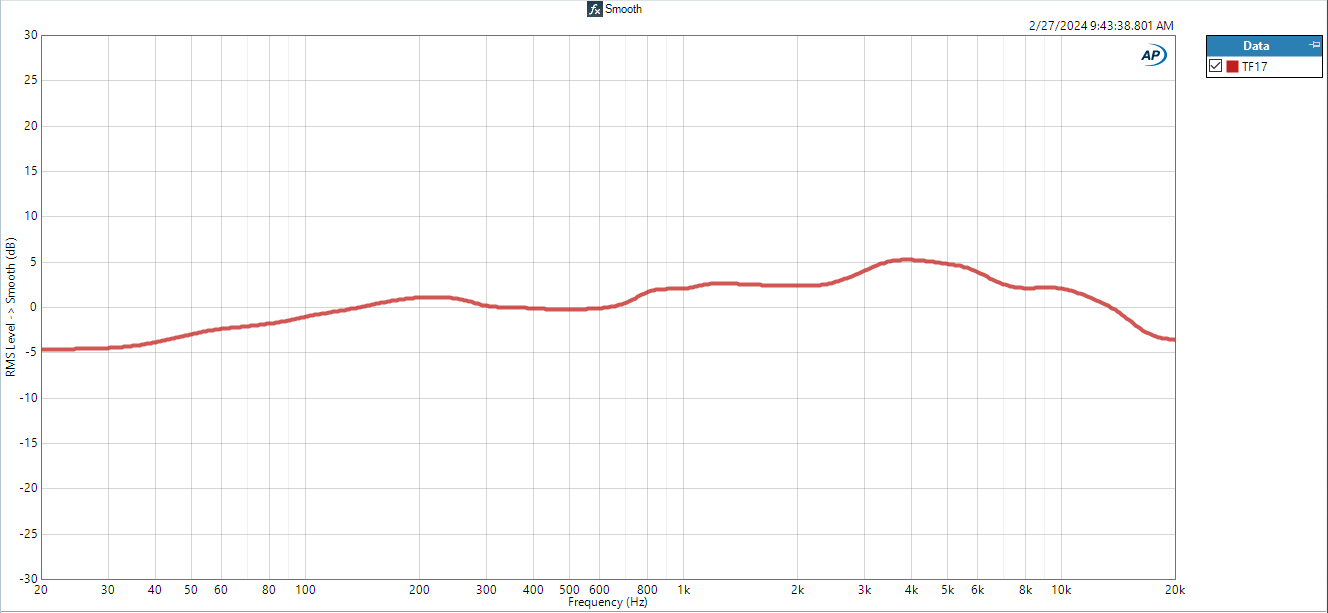
The frequency response graph is fairly flat across the full range. A small high-frequency rise gives the sound a more open character.
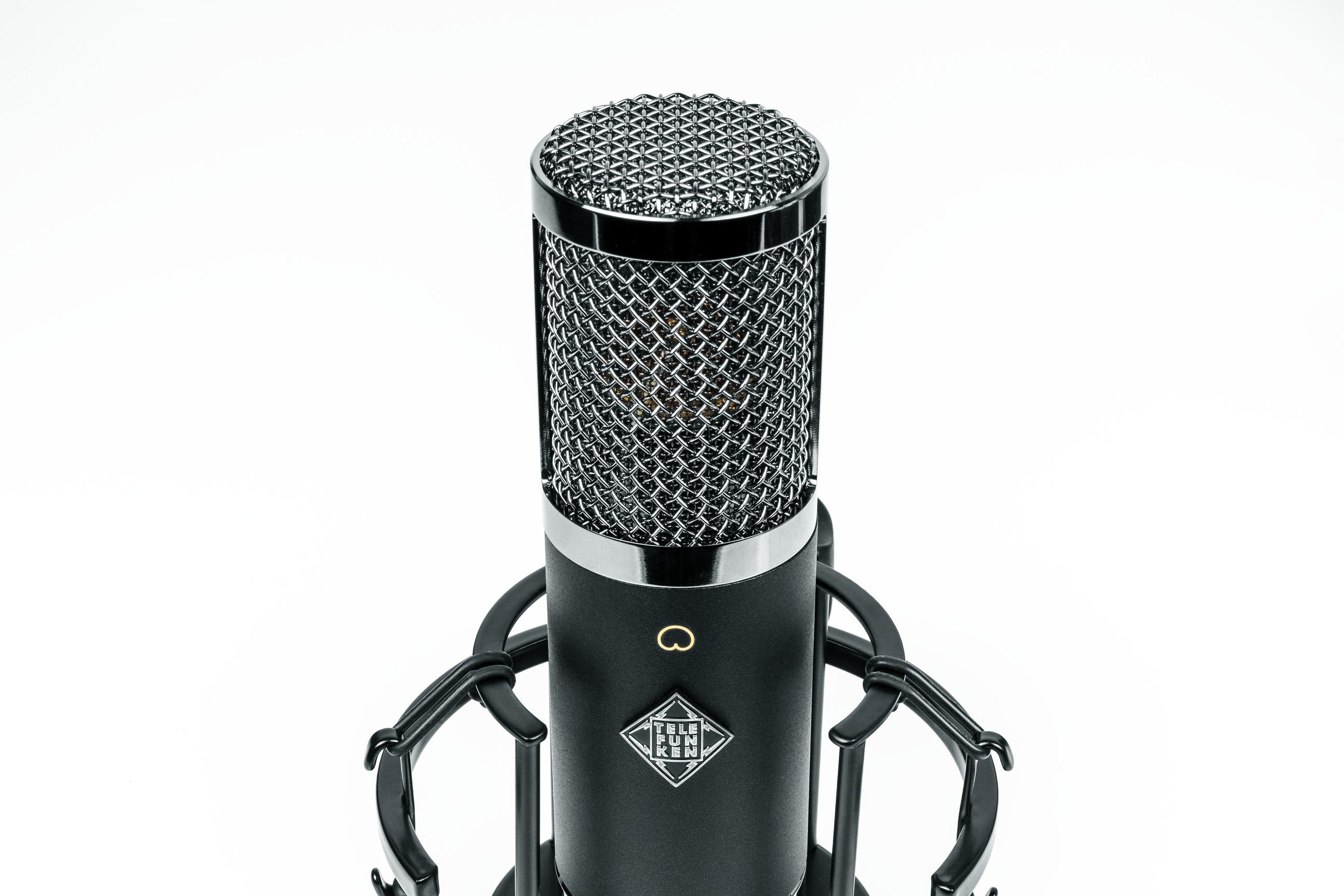
The shock mount reminded us of vintage designs. We were less pleased with the pure rubber suspension rings, which have a limited service life. Fortunately, the package contains a full set of spares, so replacement should not be a problem.
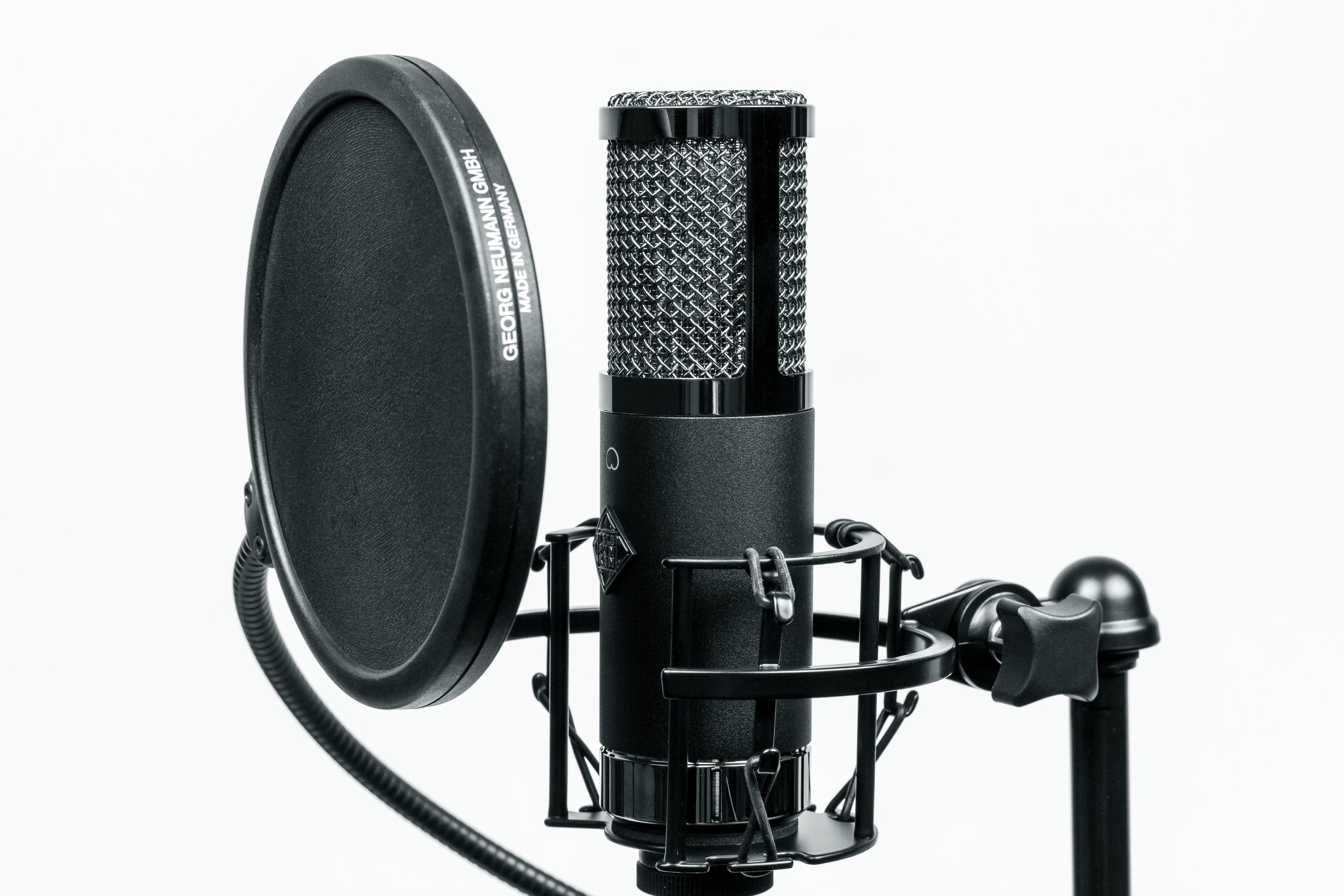
For speech and vocal recording, the microphone needs a separate pop filter. We used a Neumann filter in our test and strongly recommend it. Its price may seem high, but it works much better than cheaper alternatives. It controls plosives effectively without harming the high frequencies. Simply stretching a thin black mesh over a frame is not enough.
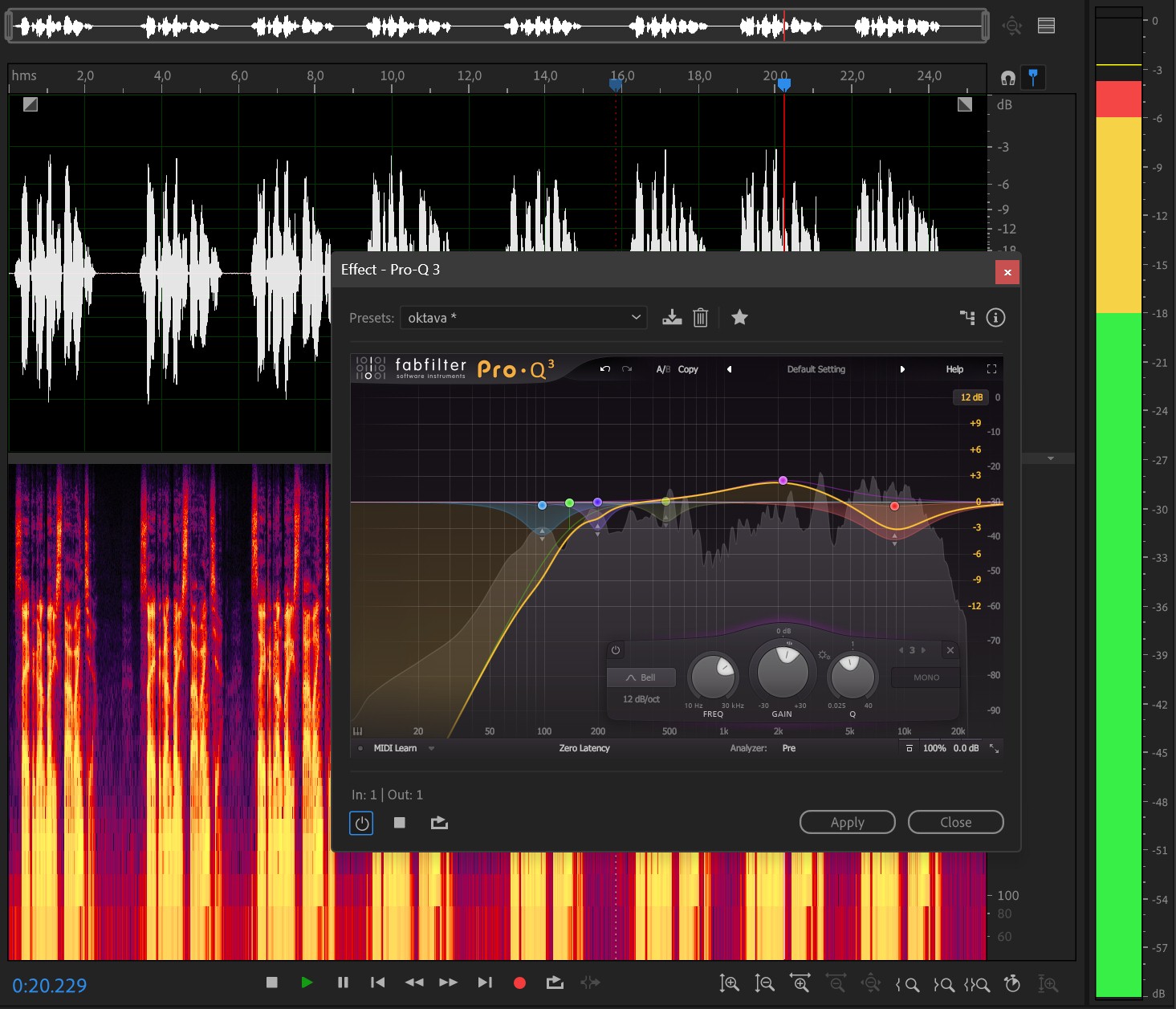
We compared the microphones with our regular Neumann TLM102 Studio Set. This is a direct competitor in both price and sound quality. Recording used a professional Antelope Discrete 4 Pro audio interface with high-quality discrete preamps. The microphones were placed close together and connected at the same time. We carefully matched recording levels for a fair comparison.
The recordings led us to the following conclusions. All the microphones performed at a high professional level, but their sound differed significantly. The Neumann recording needed more processing, particularly strong high-frequency reduction with a de-esser. The Telefunken TF17 naturally softened sibilants, so a low-cut filter was the main processing needed. This makes the TF17 suitable for live broadcasting without extensive processing. Compression is still welcome for voice and will be needed with all these models.
We also noticed that the TF17 has a stronger individual sound character because of its built-in transformer. This adds subtle tonal details. The advantage is that the microphone already provides a balanced sound, reducing the need to shape it afterward. In our view, this makes expensive studio monitors and an audio interface less necessary for judging such adjustments. It makes the TF17 a good fit for home studios. Our test results support this conclusion and agree with the manufacturer's claims. The brighter Neumann TLM102 is more suitable for experienced producers who specialize in post-production. Such users already have a trusted chain of favorite processors and prefer to shape the sound themselves.
Telefunken TF39
The Telefunken TF39 is an improved version of the CU-29. It provides natural sound with a slight emphasis. Its switchable polar patterns make it a versatile choice for vocals, acoustic and electric guitars, drums, and many other sources. The circuit uses a vintage 5654W tube, a brass K67 capsule, and a Lundahl output transformer. The official video explains the main features and ends by describing the microphone as suitable for almost any sound source.
Telefunken TF39 specifications
- Type:Tube condenser
- Polar pattern: Cardioid, omnidirectional, figure-eight
- Frequency range: 20 Hz–20 kHz, ±3 dB
- Power supply:External power supply
- Capsule: TK67, dual diaphragm
- Tube: NOS GE 5654W
- Transformer: Lundahl LL1935
- Sensitivity: 17 mV/Pa, ±1 dB
- Distortion (1 kHz, 1 Pa): < 0.3%
- Impedance: < 300 ohms
- Maximum SPL (1% THD): > 130 dB
- Signal-to-noise ratio: 87 dBA
- Self-noise: 7 dBA
- Dimensions: 200 × 46 mm
- Weight: 650 g
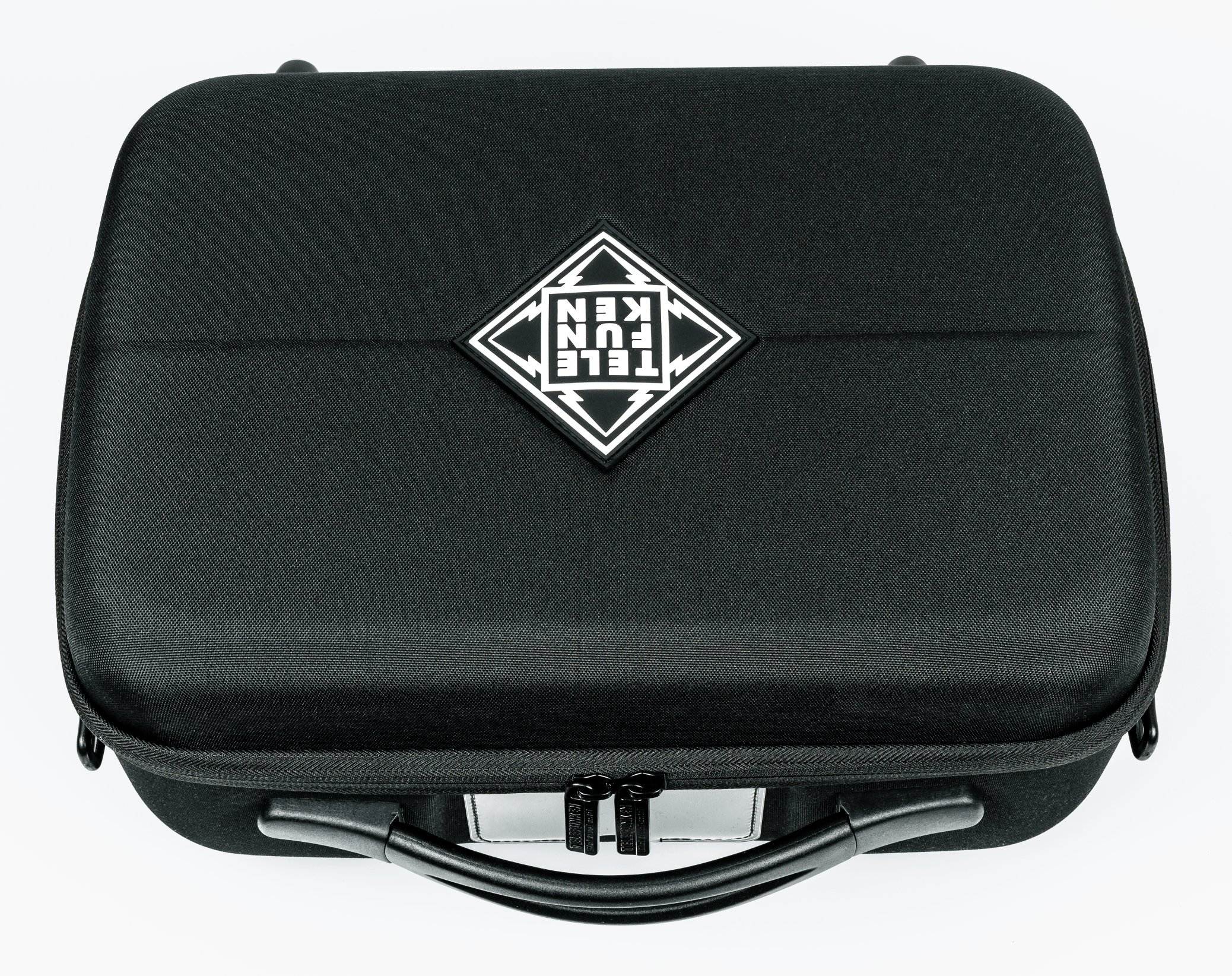
The Telefunken TF39 tube microphone comes in a light, strong case with zippers and a comfortable carrying handle.

The polyethylene foam insert has cutouts for all the accessories. Cables go in a separate compartment in the lid. Two mounting types give flexibility during recording. The elastic shock mount holds the microphone vertically and is preferable for vocals. The rigid stand mount allows the microphone angle to be adjusted, which is especially useful for instrument recording.
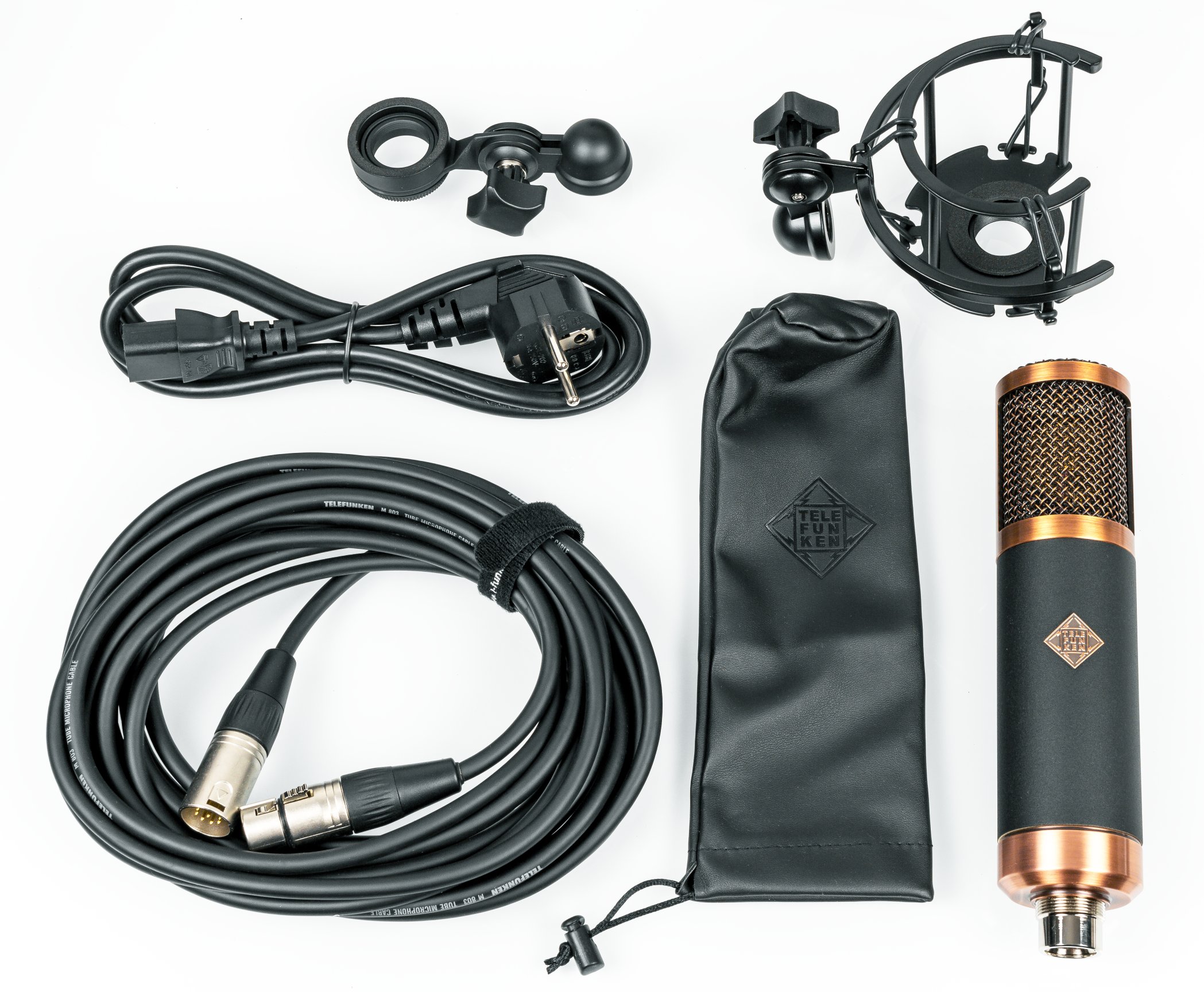
The package contains everything needed for use. A Telefunken-branded cable with a multi-pin connector links the microphone to the external power supply. Like other tube microphones, this model does not need +48 V phantom power from the recording interface or microphone preamp.
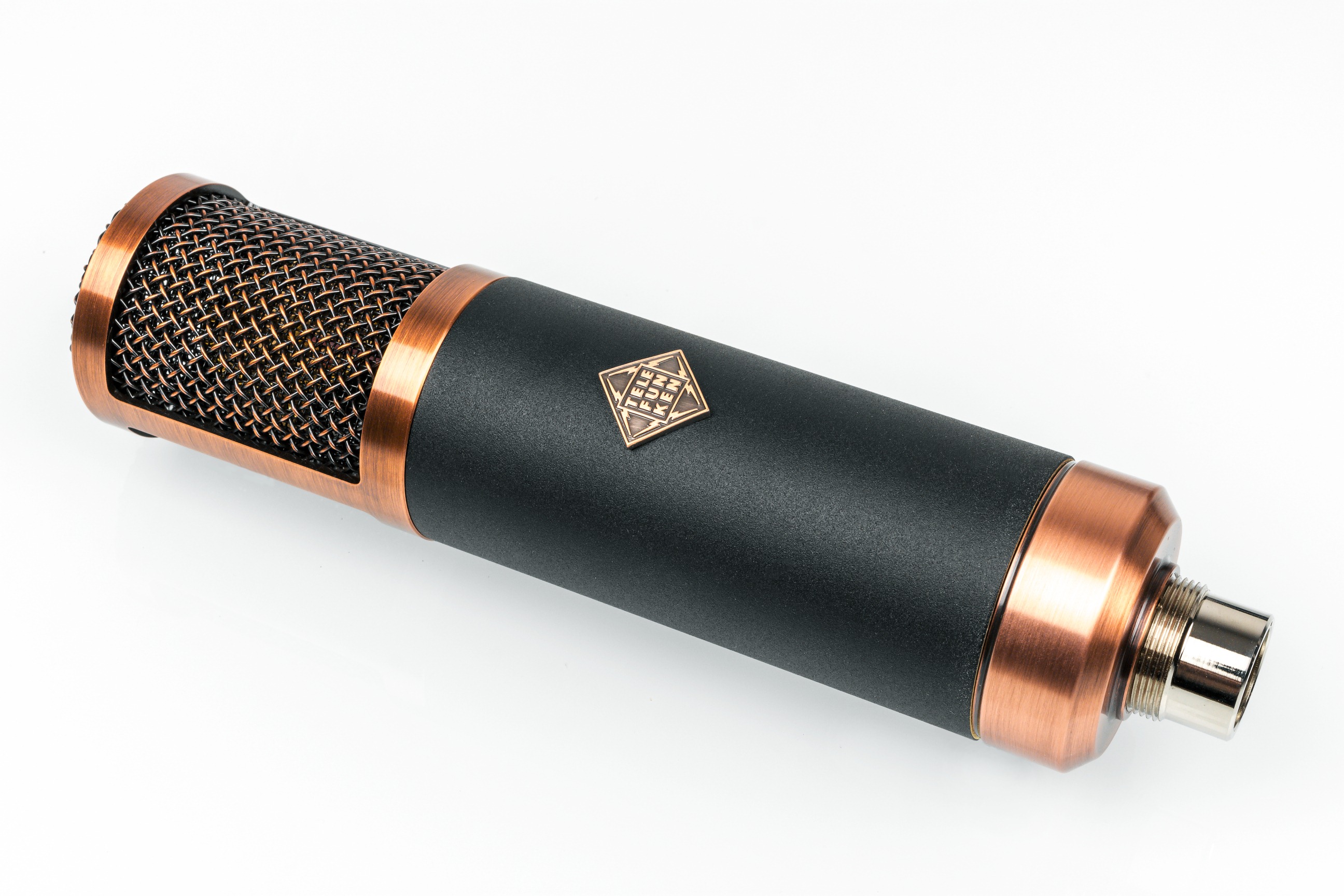
The housing follows the design used throughout the Telefunken range. There are no external low-cut or pad switches, which are common on competitors' microphones. This approach keeps the signal path direct and minimizes internal noise. Hardware filters on microphones are less important in modern studios. The polar pattern is selected through the power supply settings and connections.
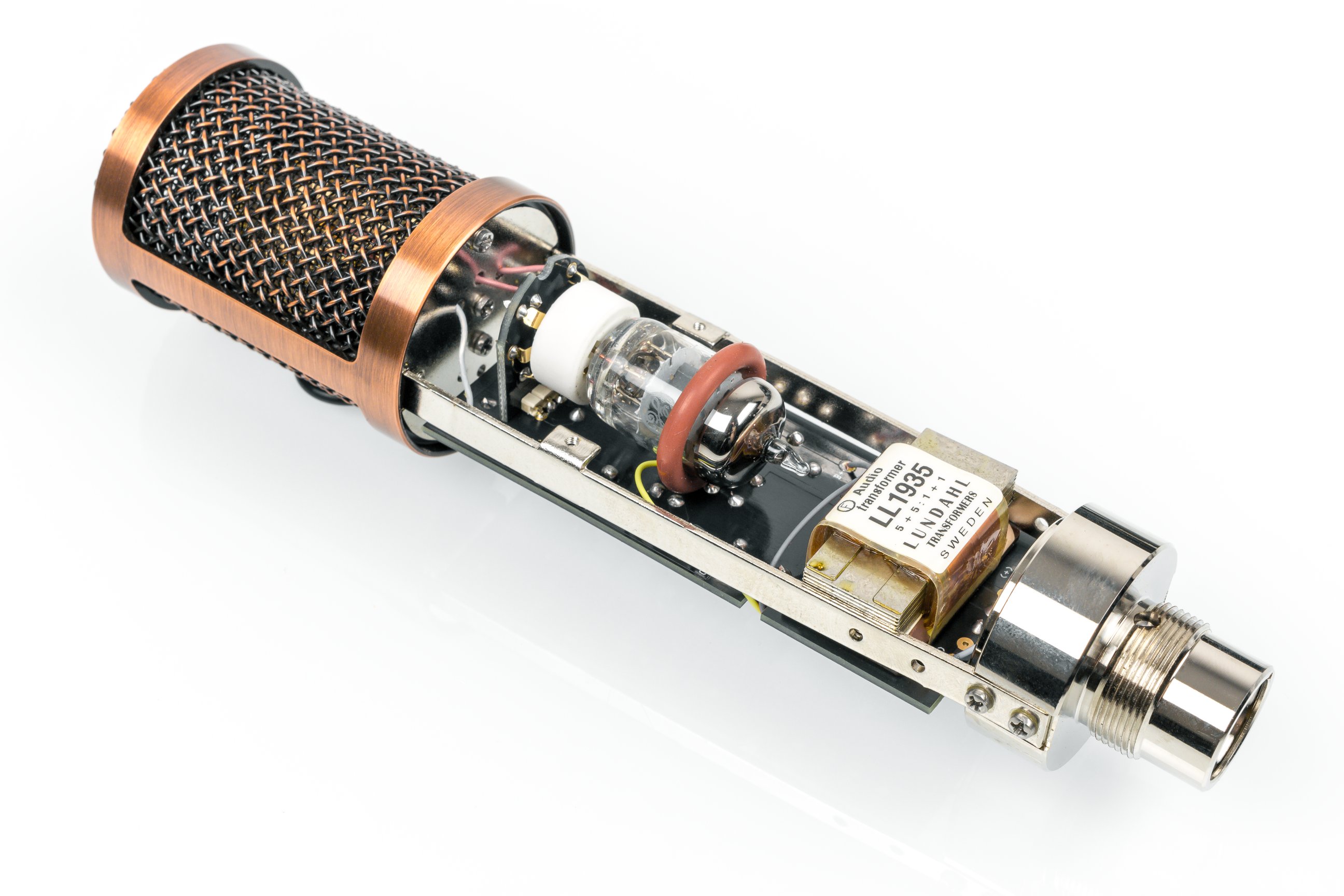
Once again, our review includes a look at the internal electronics. Key components are an original American General Electric NOS GE 5654W miniature tube and a Swedish Lundahl LL1935 transformer. The tube will need replacement when it reaches the end of its service life. Replacement is simple and needs no special tools. Unscrew the lower retaining ring by hand to remove the microphone sleeve.
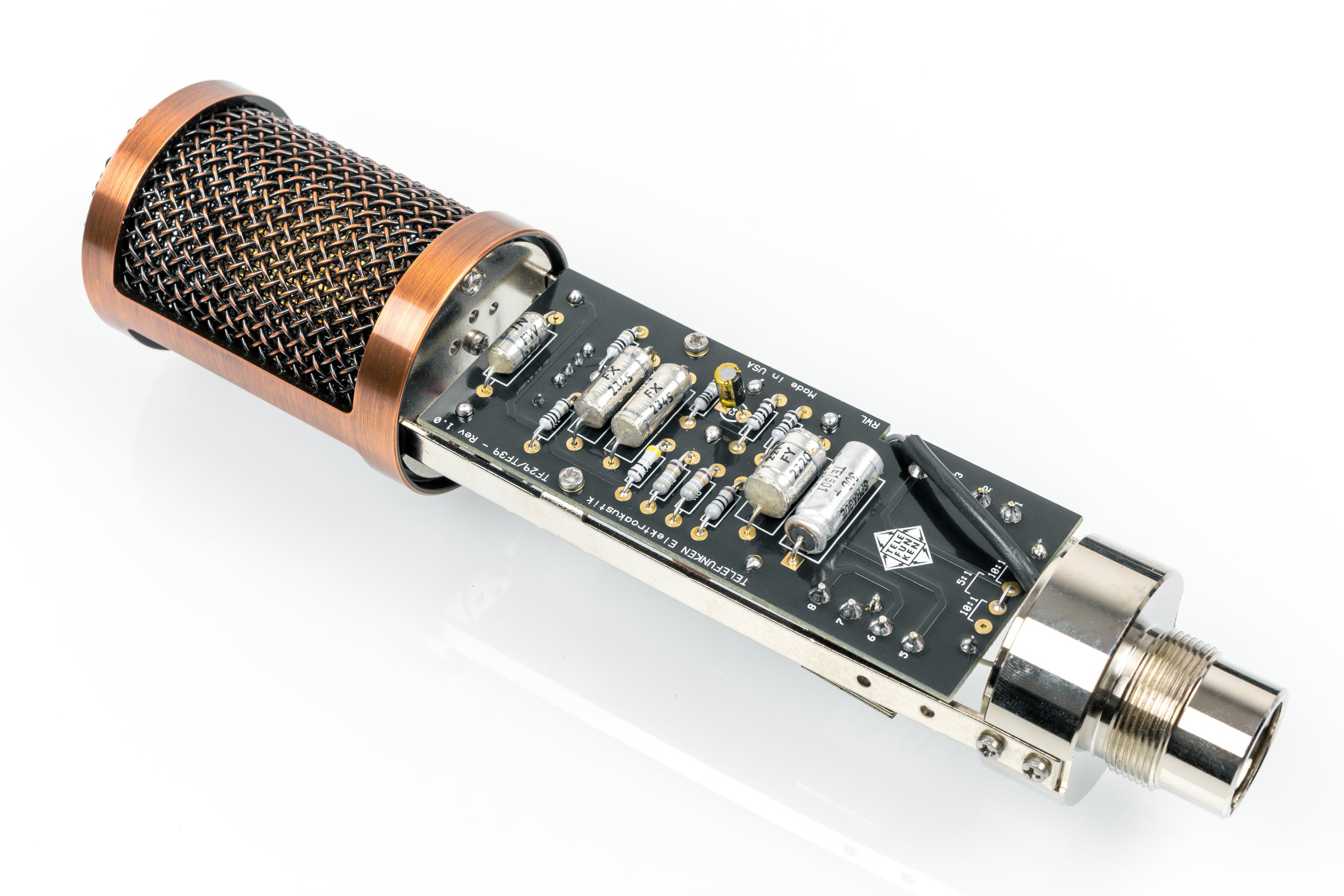
The high-quality components sit next to a proud Made in USA label. Everything is handmade in the USA from selected branded components and passes strict quality control. There is little reason to worry about the electronics inside.
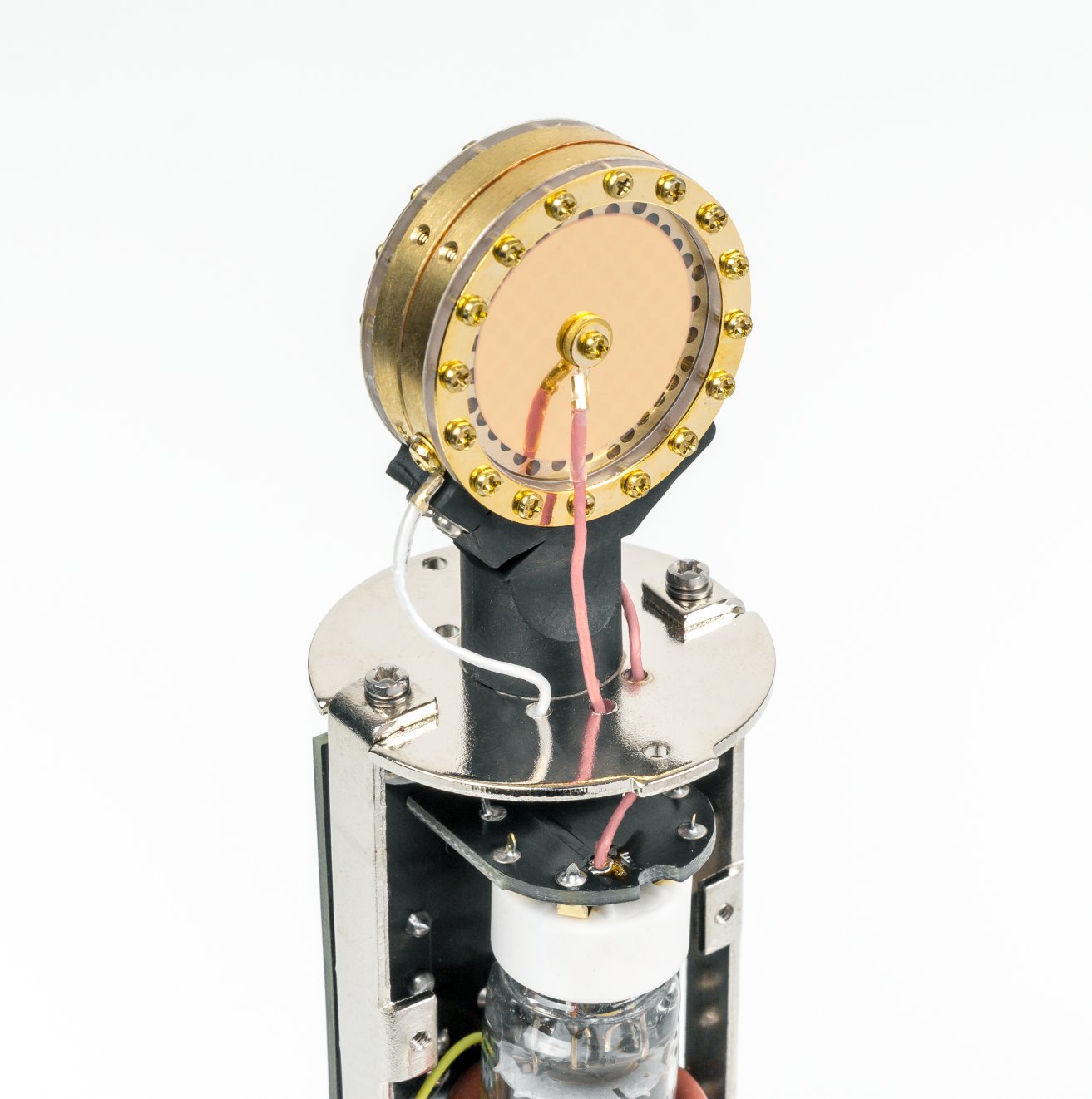
The K67 capsule, also known as KapselKopf, is a development of the classic K47. Its two backplates can be joined after the individual diaphragms have been fitted. This simplifies production and reduces costs. Sound quality in omnidirectional and figure-eight modes also improves greatly.
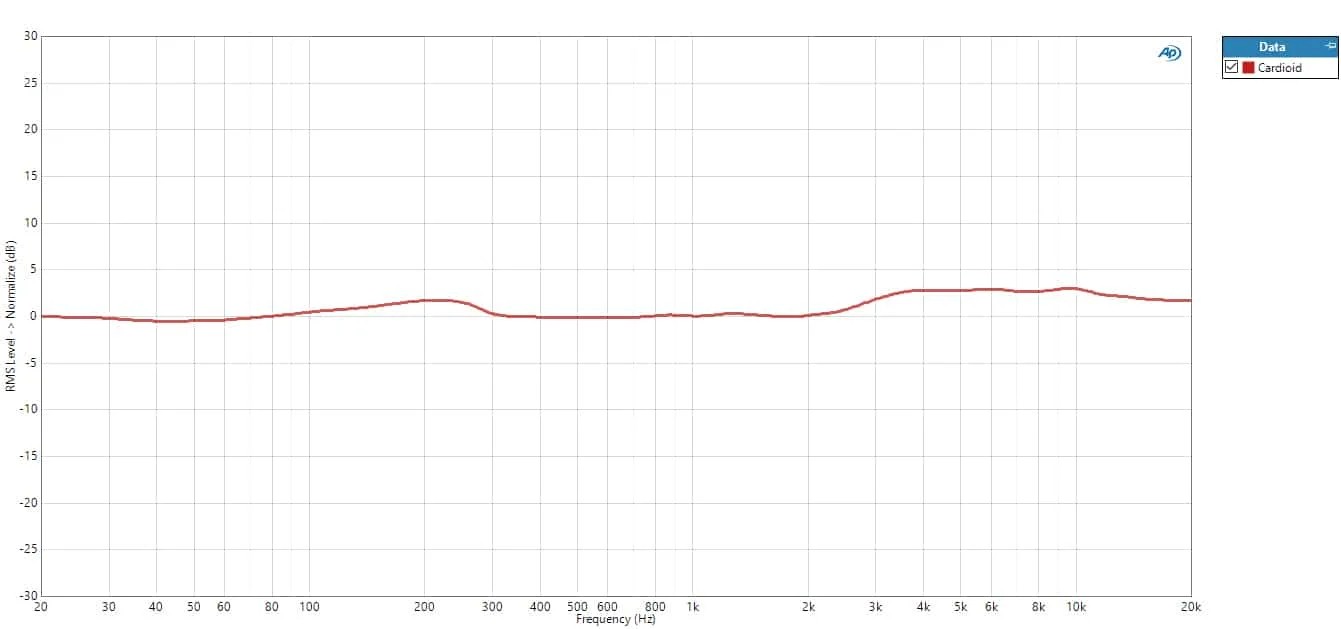
The frequency response graph is exceptionally flat. It is easy to understand why the manufacturer describes this model as versatile. The microphone can cover any vocal range, from female soprano to male baritone.
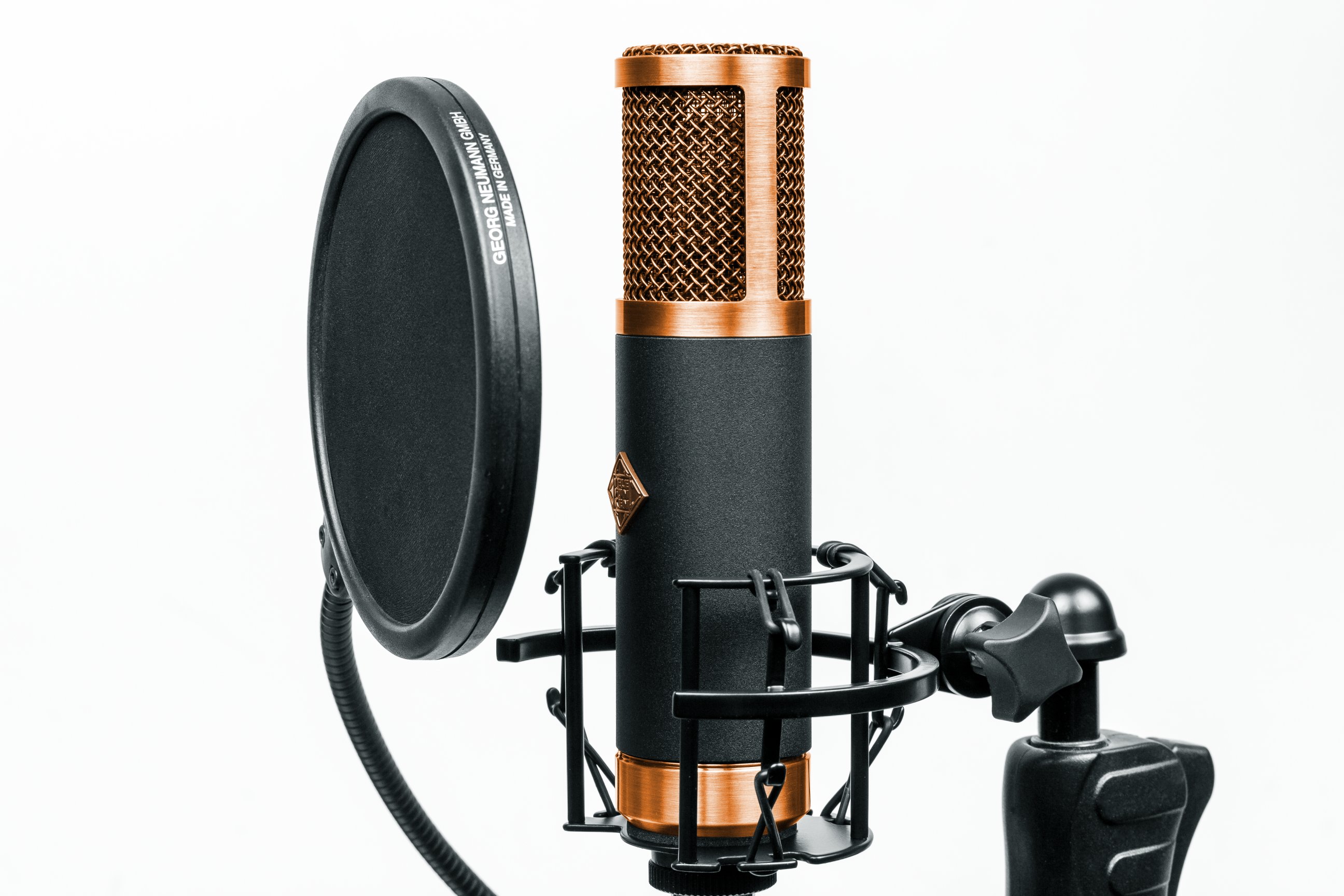
In our test, we compared the Telefunken TF39 directly with its solid-state counterpart, the TF17. We found the tube model significantly more musical. It costs more, but its capabilities go well beyond the more affordable models. The sound seemed more comfortable and more detailed. There was no strong tube coloration of the kind that can fairly draw criticism in inexpensive tube microphones. Any extra warmth or tonal richness was slight and did not reduce the natural sound. Overall, the sound is attractive, especially for vocals. The microphone encourages creativity and makes us want to try new musical ideas. Here are several convincing official examples of unprocessed vocal recordings.
Conclusions
Our tests confirmed that Telefunken is a strong competitor in the demanding studio microphone market. The manufacturer shows deep respect for classic models and aims to recreate them with modern equipment while preserving the original sound as closely as possible. Telefunken's sound quality meets its stated specifications and the needs of professional use. Although the company stresses its use of original technologies and drawings for classic Neumann capsules, its microphones have their own sound. They differ from other manufacturers' models using similar capsules. Hundreds of manufacturers offer thousands of microphones based on classic center-terminated K49 capsules, but the sound differences are always large. Chinese replicas can sound especially different, so enthusiastic reviews of them should be treated carefully. Telefunken's strengths include hand production in the USA, strict quality control, and no Chinese-made components. These are premium microphones and are not affordable to everyone. Even so, the manufacturer keeps prices competitive and offers a wide range of models for different tasks.
Note. This is an adapted machine translation into English. It follows the “In simple terms” approach. Read the original article at https://prosound.ixbt.com/microphones/telefunken-tf17.shtml.