
Microlab SOLO 11 and SOLO 16 — active speakers for computers and more
Maxim Liadov
Microlab has become an almost legendary brand. Founded in 1998, the company has grown into a leading maker of high-quality active speakers for personal computers. Before Microlab products appeared, users had limited choices: accept poor sound from built-in computer speakers or buy an expensive separate audio system.
The Microlab SOLO series changed that situation. It offers affordable, high-quality speakers with built-in amplifiers that meet Hi-Fi standards. They work with a computer or as a compact stereo system for a room. SOLO remains Microlab's leading speaker range, consisting of high-quality active systems with MDF cabinets, good woofers, and silk dome tweeters. Today's models, however, are much better than their predecessors in every respect.
Our video gives a short introduction to the main features. We recommend full-screen viewing:
The attractive appearance immediately draws attention. Instead of a standard film laminate, the side panels have a lacquer finish like high-end Hi-Fi equipment. The speakers are available only in black. The front panel has a leather-textured vinyl finish.
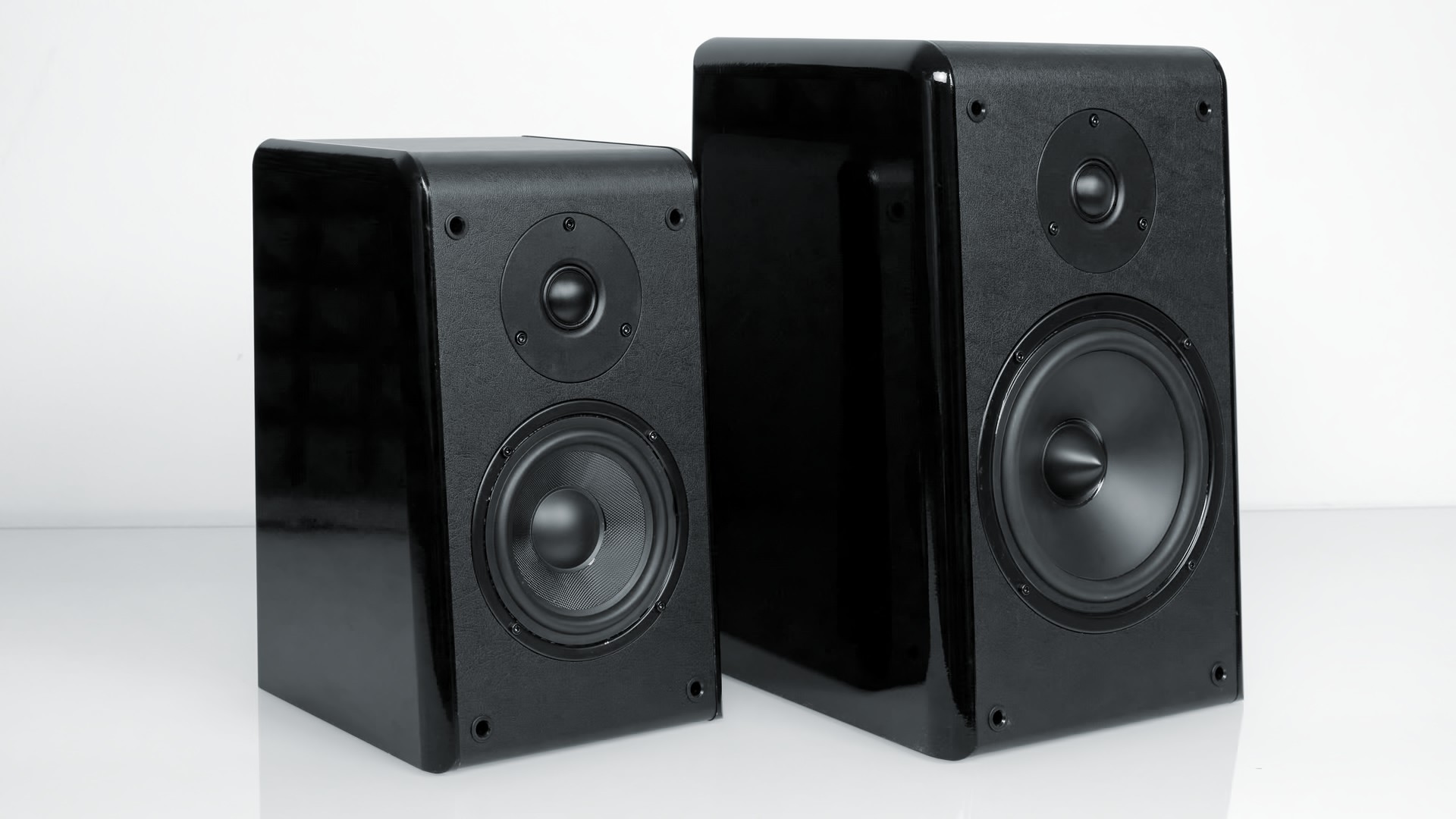
The SOLO 11 and SOLO 16 were released together and look very similar. They differ in cabinet size, woofer size, and amplifier power.
Specifications
| SOLO 11 | SOLO 16 | |
| Features | ||
| Cabinet | MDF | MDF |
| Power, W | 100 | 180 |
| Frequency response | 60 Hz–20 kHz | 40 Hz–20 kHz |
| Drivers | ||
| Woofer | Fiberglass cone, round dust cap | Polymer cone, bullet-shaped cap |
| Cone | 5" | 6,5" |
| Tweeter | Fabric dome tweeter | Fabric dome tweeter |
| Driver size | 1" | 1" |
| Amplifier | ||
| Amplifier class | Class D | Class D |
| Power, W | (20 + 30) x2 | (40 + 50) x2 |
| Distortion, % | < 0,5% | < 0,5% |
| Connections | ||
| Inputs | Bluetooth, optical, coaxial, RCA | |
| Outputs | Subwoofer (LFE), 4-contact left-speaker connector, 5 V USB | |
| Package contents | ||
| Number of speakers | 2 | 2 |
| Optical cable | 1 | 1 |
| Coaxial cable | 1 | 1 |
| 3.5 mm to 2 RCA cable | 1 | 1 |
| 2 RCA to 2 RCA cable | 1 | 1 |
| Speaker connection cable | 1 | 1 |
| Remote control | 1 | 1 |
| User manual | 1 | 1 |
| Other specifications | ||
| Dimensions, mm | 181x216,5x300 | 218x268x360 |
| Weight, kg | 7,5 | 12,1 |
The specifications are shown on screen. Both models have MDF cabinets. The SOLO 11 is rated at 100 W and the SOLO 16 at 180 W. Their lower frequency limits are 60 Hz and 40 Hz respectively.
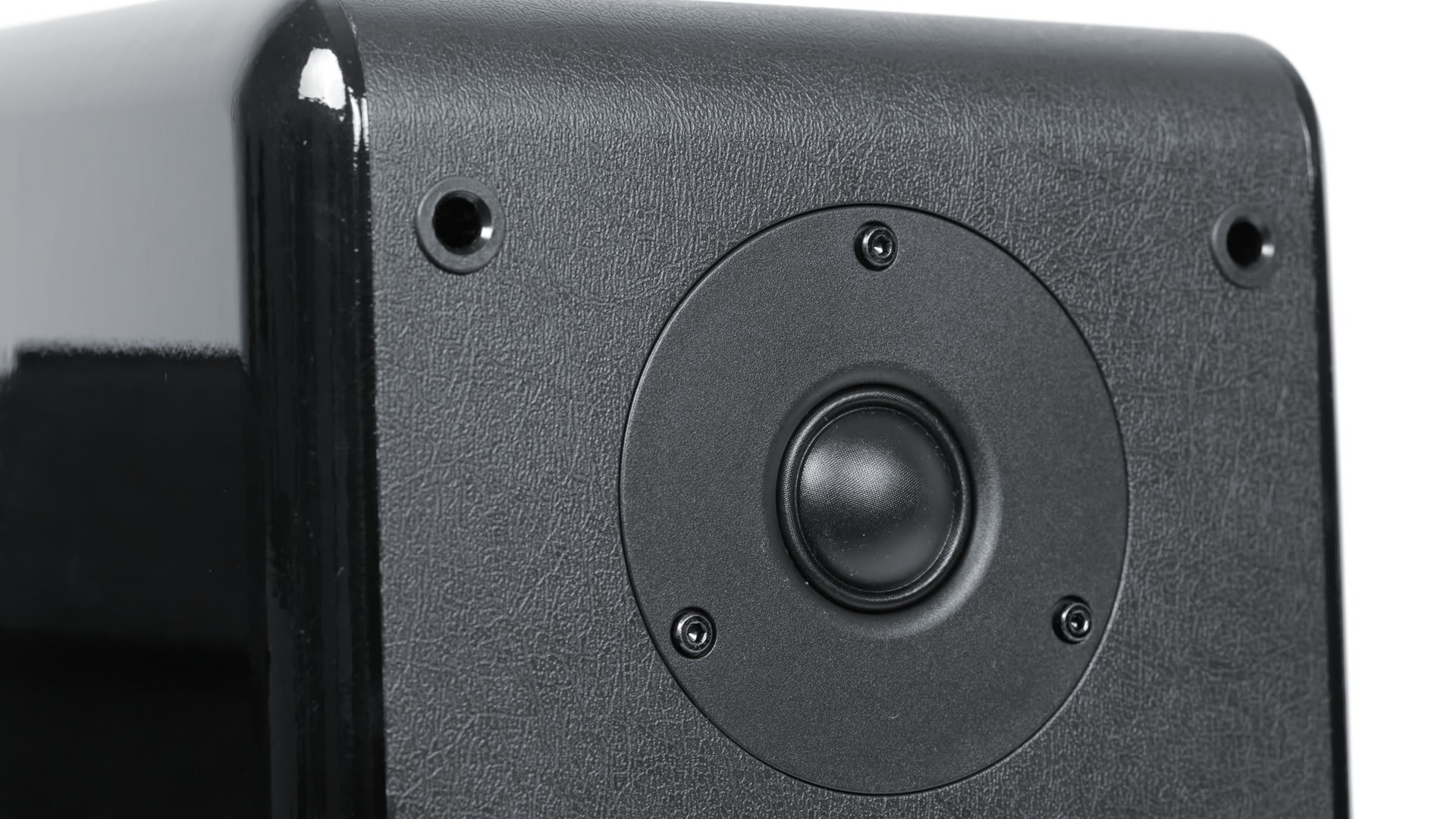
Both speakers use the same 1-inch silk dome tweeter.
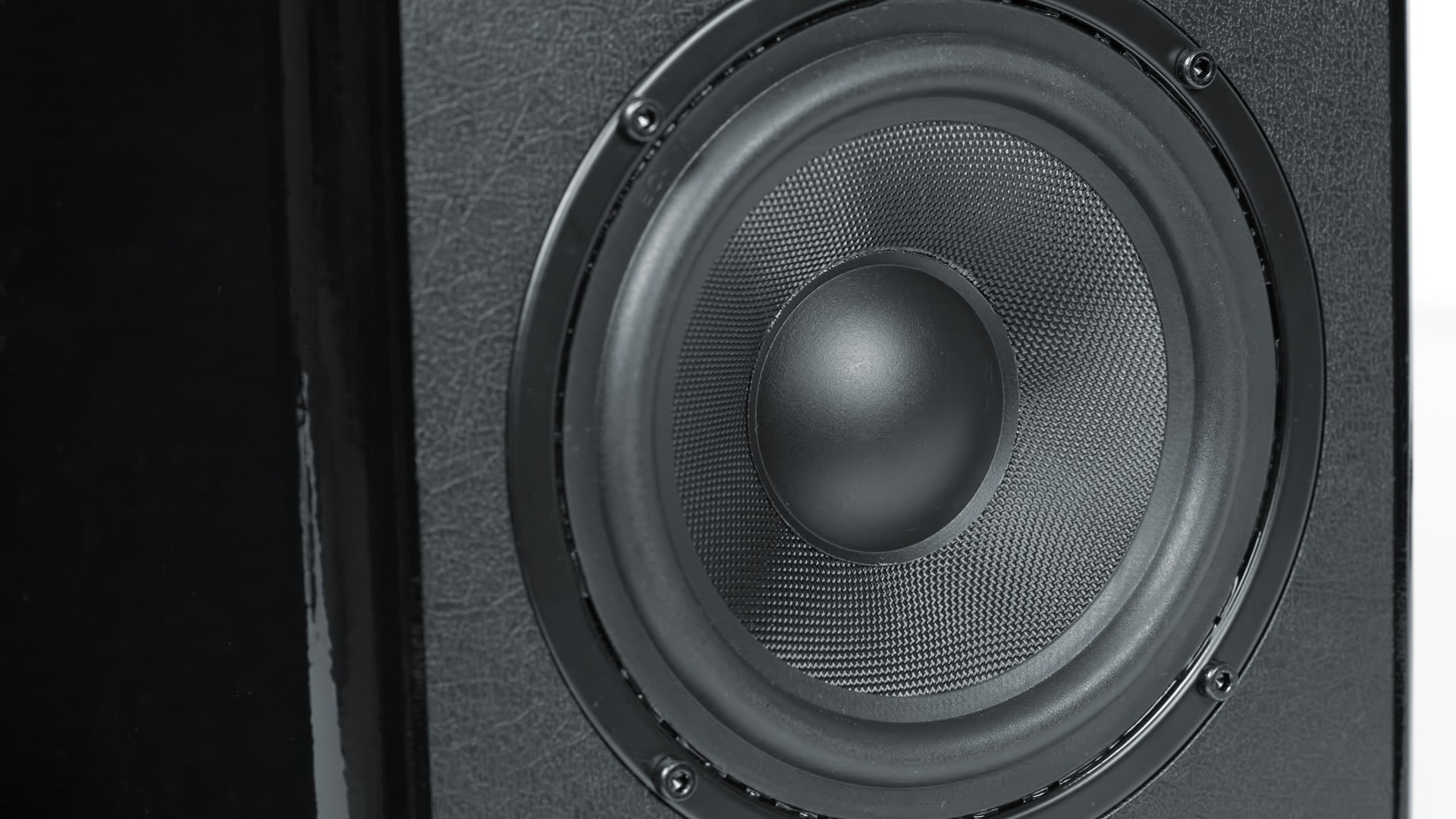
The SOLO 11 has a 5-inch woofer with a fiberglass cone.
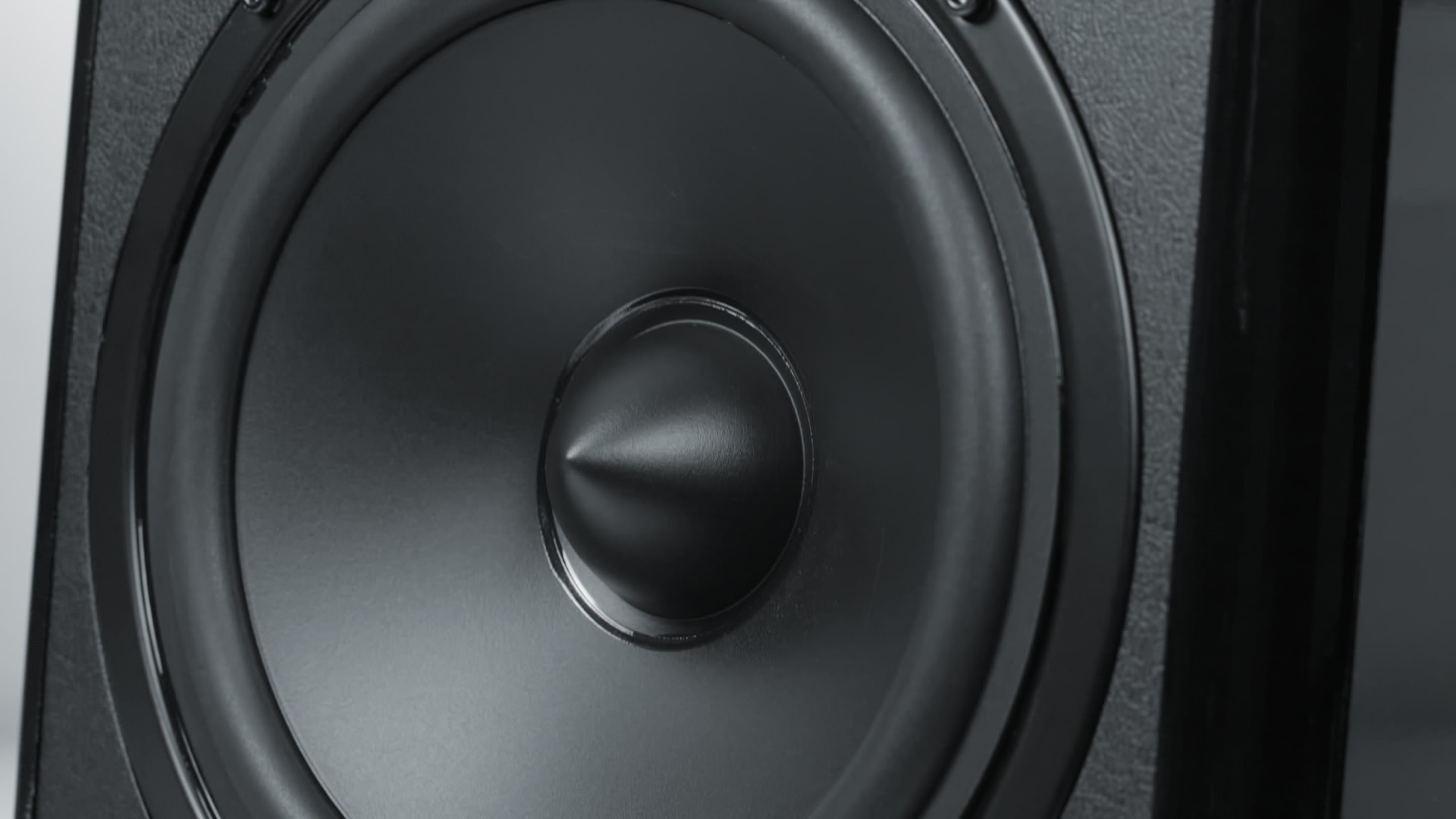
The SOLO 16 uses a 6.5-inch polymer-cone woofer with a bullet-shaped cap.
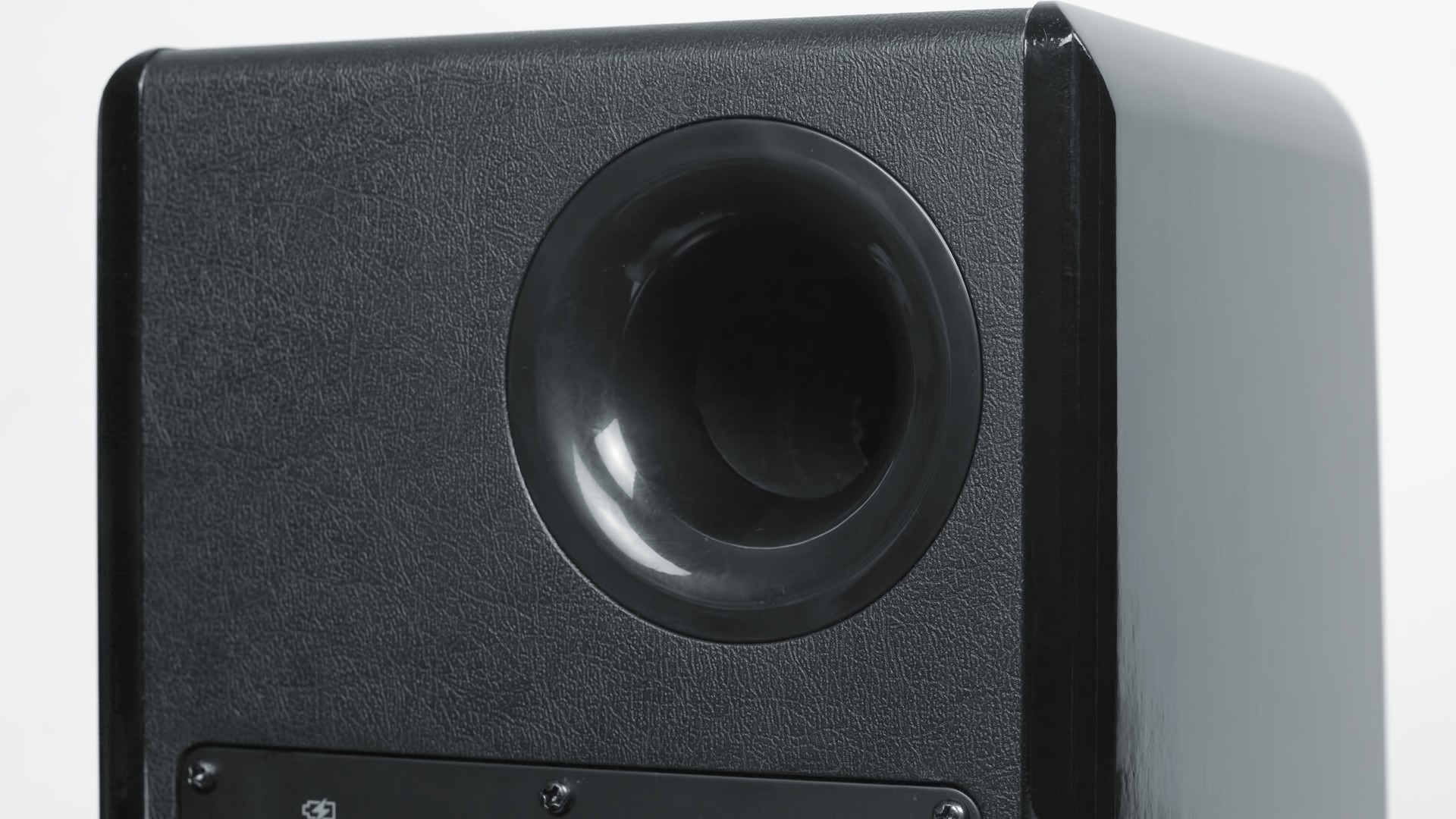
The bass-reflex port is on the rear panel. It supports reproduction of the lowest frequencies.
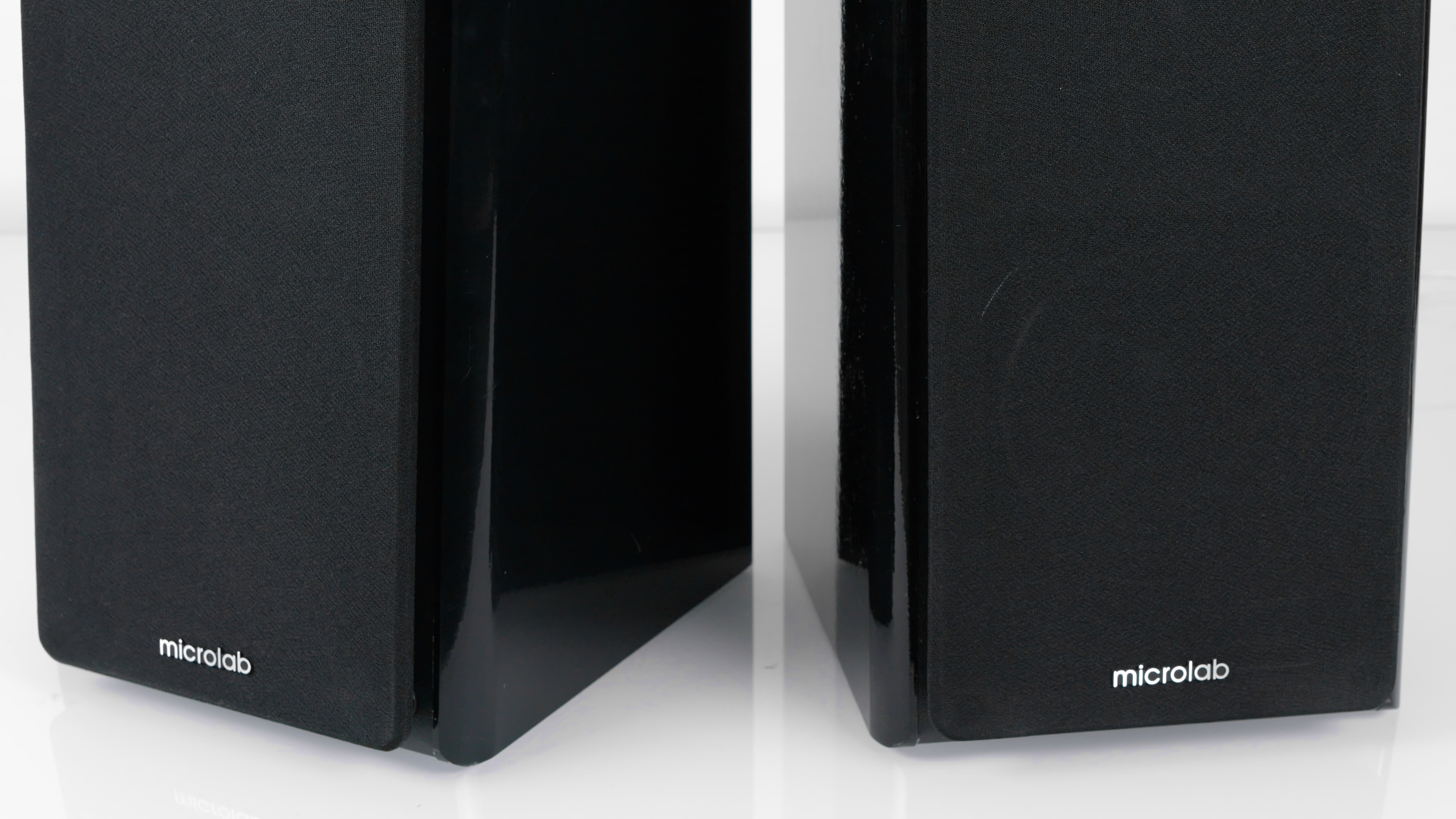
Removable fabric grilles protect the drivers and contribute to the design. Vinyl film, piano lacquer, and fabric grilles give the speakers an elegant appearance.
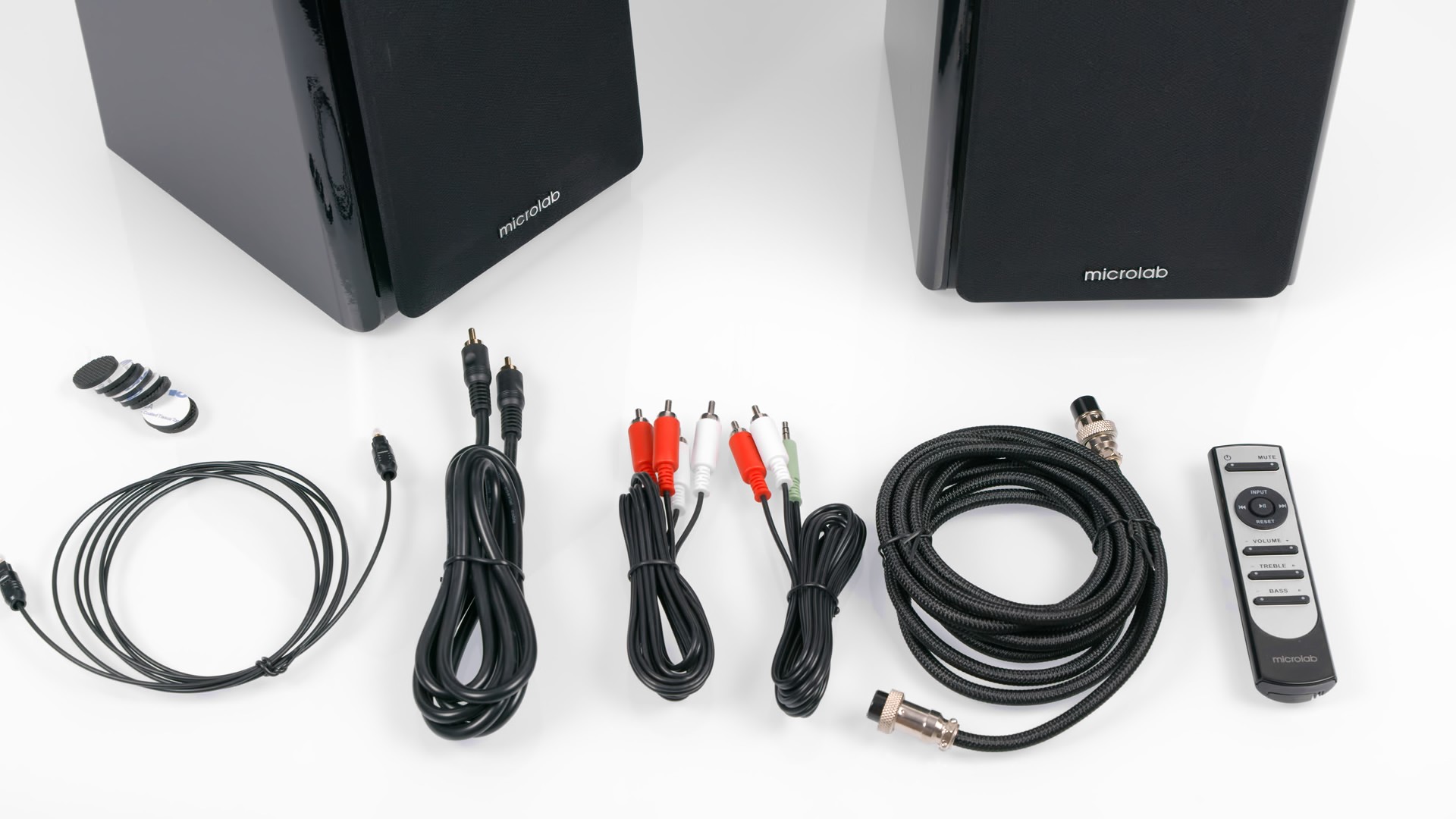
Both models include the same accessories: a remote control, left-speaker cable, 3.5 mm mini-jack to stereo RCA cable, stereo RCA to stereo RCA cable, coaxial cable, optical cable, and self-adhesive rubber feet.
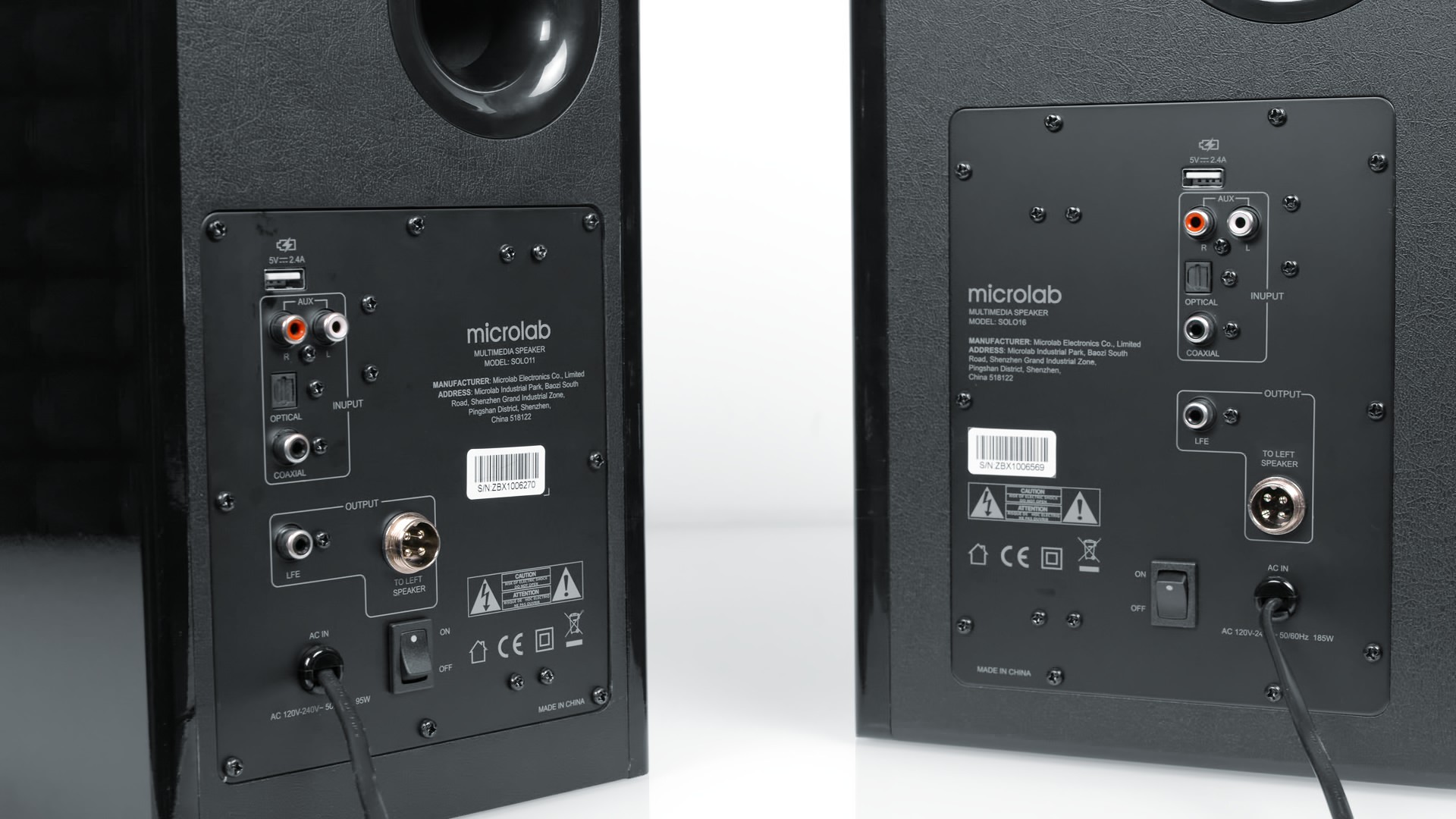
The rear panels are identical. They contain the power switch, a USB phone-charging socket, and audio connections. Let us examine the wide choice of connections using the SOLO 11 as an example.

The stereo RCA input accepts any analog audio source.
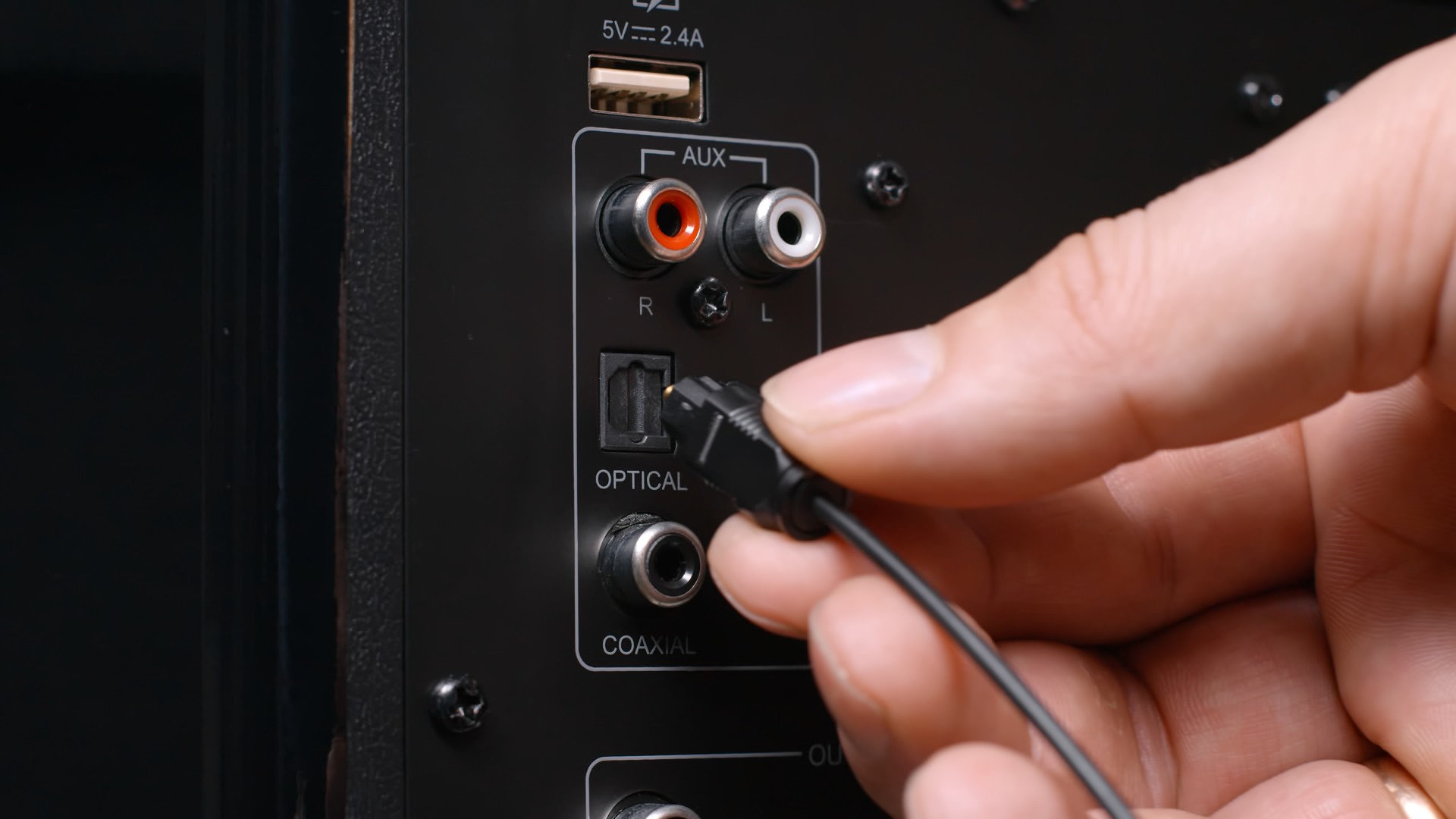
There are two digital inputs. Optical Toslink is useful for game consoles and receivers. The coaxial digital input is less common but can still be useful in some setups.
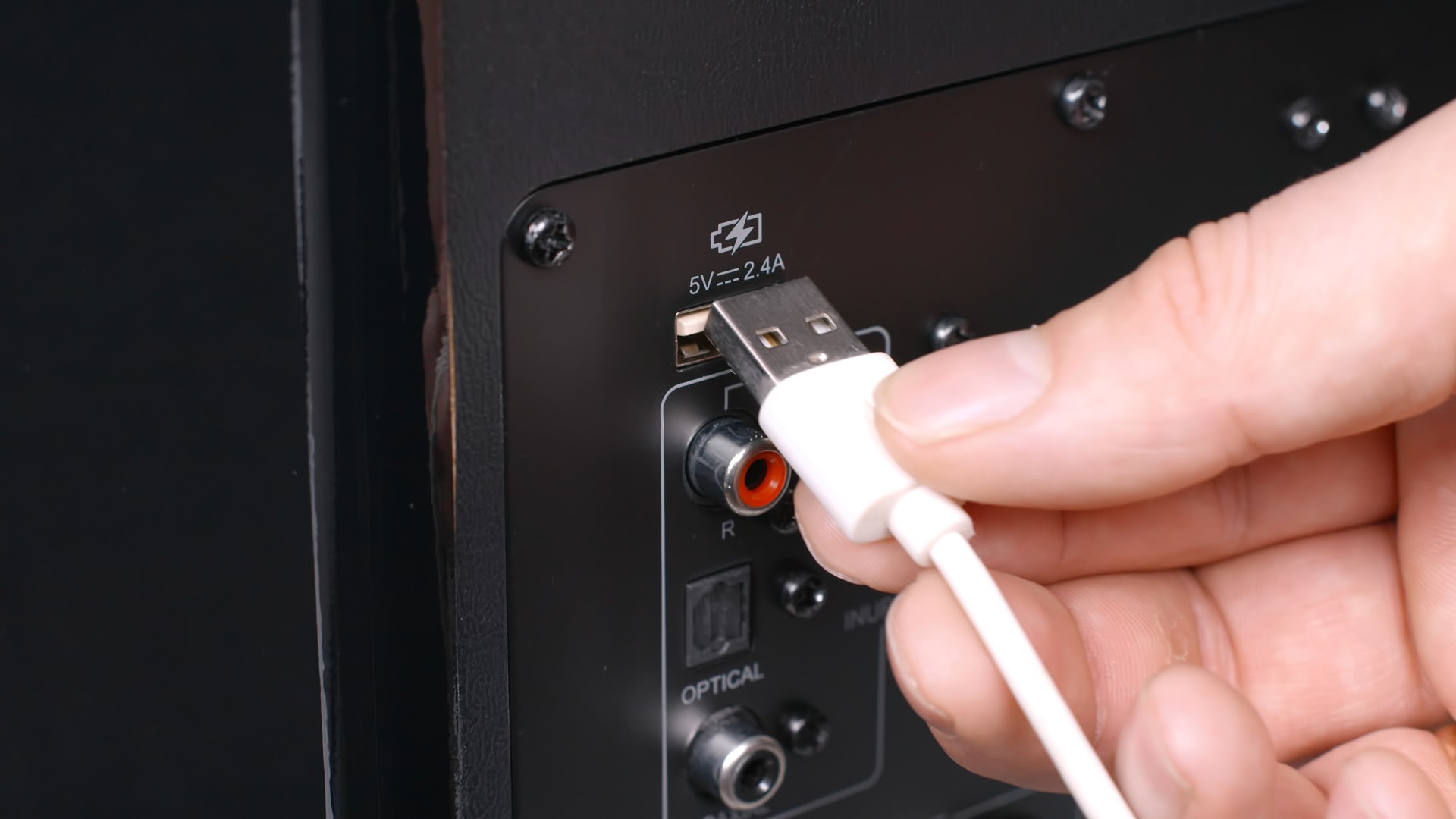
A USB Type-A socket conveniently charges mobile devices, for example while they play music over Bluetooth.
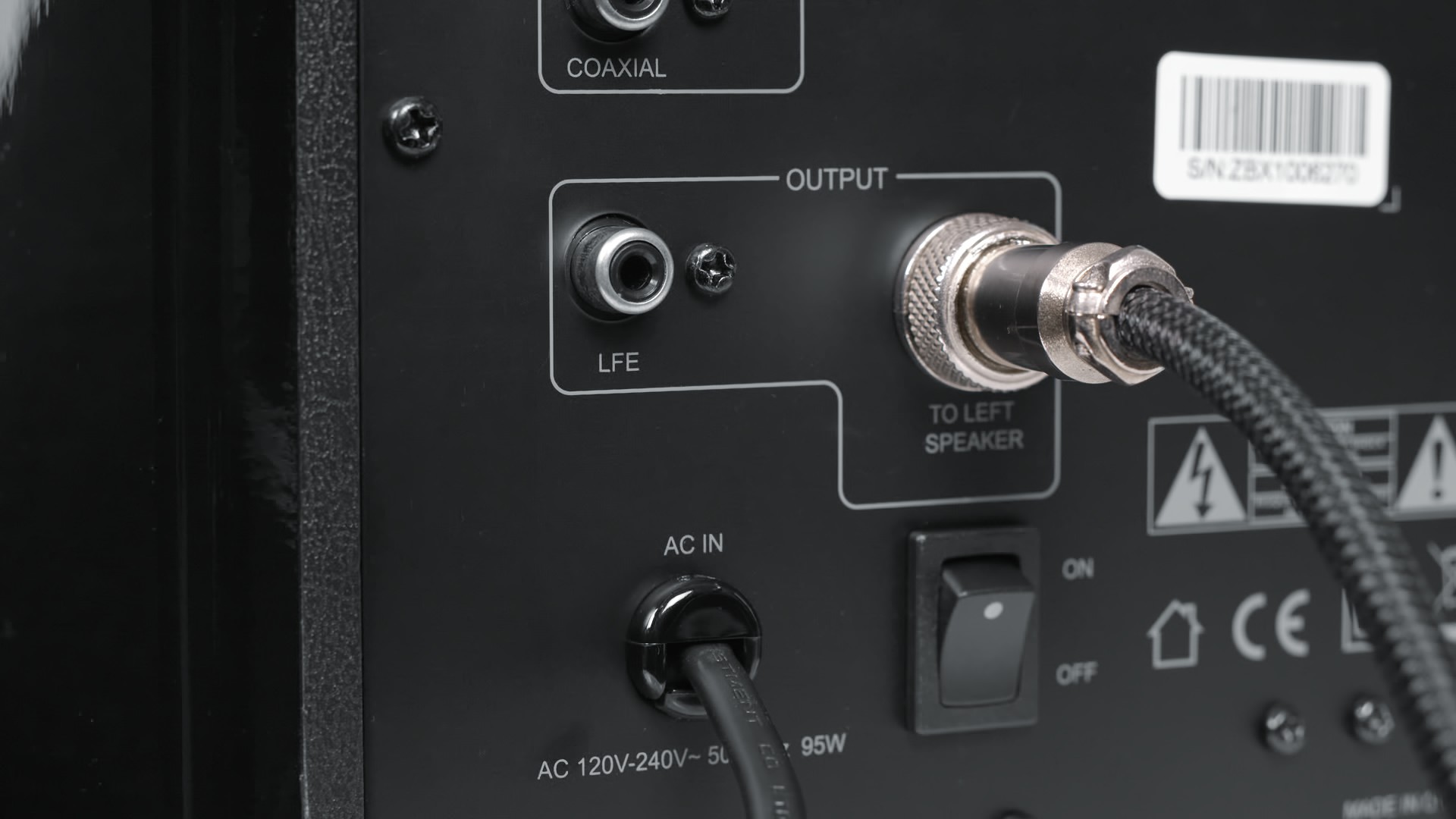
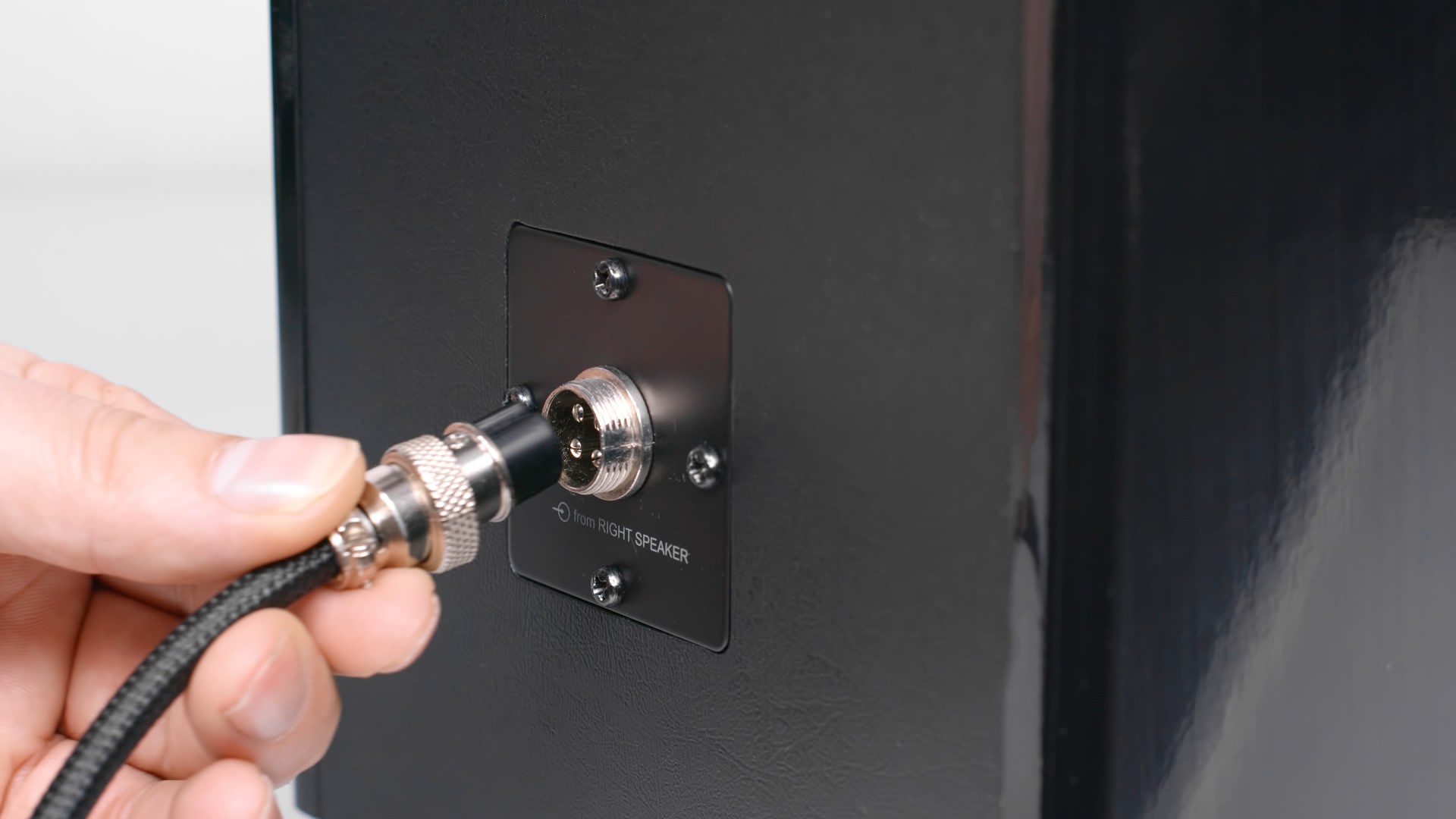
The speakers connect through an impressive 3-meter fabric-covered cable. A secure four-contact threaded connector supports separate four-wire bi-wiring of the drivers, a feature normally associated with expensive Hi-Fi equipment.
Three rotary controls sit in a recess on the right speaker. Pressing the top knob cycles through inputs; turning it adjusts both speakers' volume. The lower two knobs adjust treble and bass.
The stylish branded remote switches the speakers on and off, adjusts volume, mute, and tone, and selects the source. All changes appear on the right speaker's digital display.
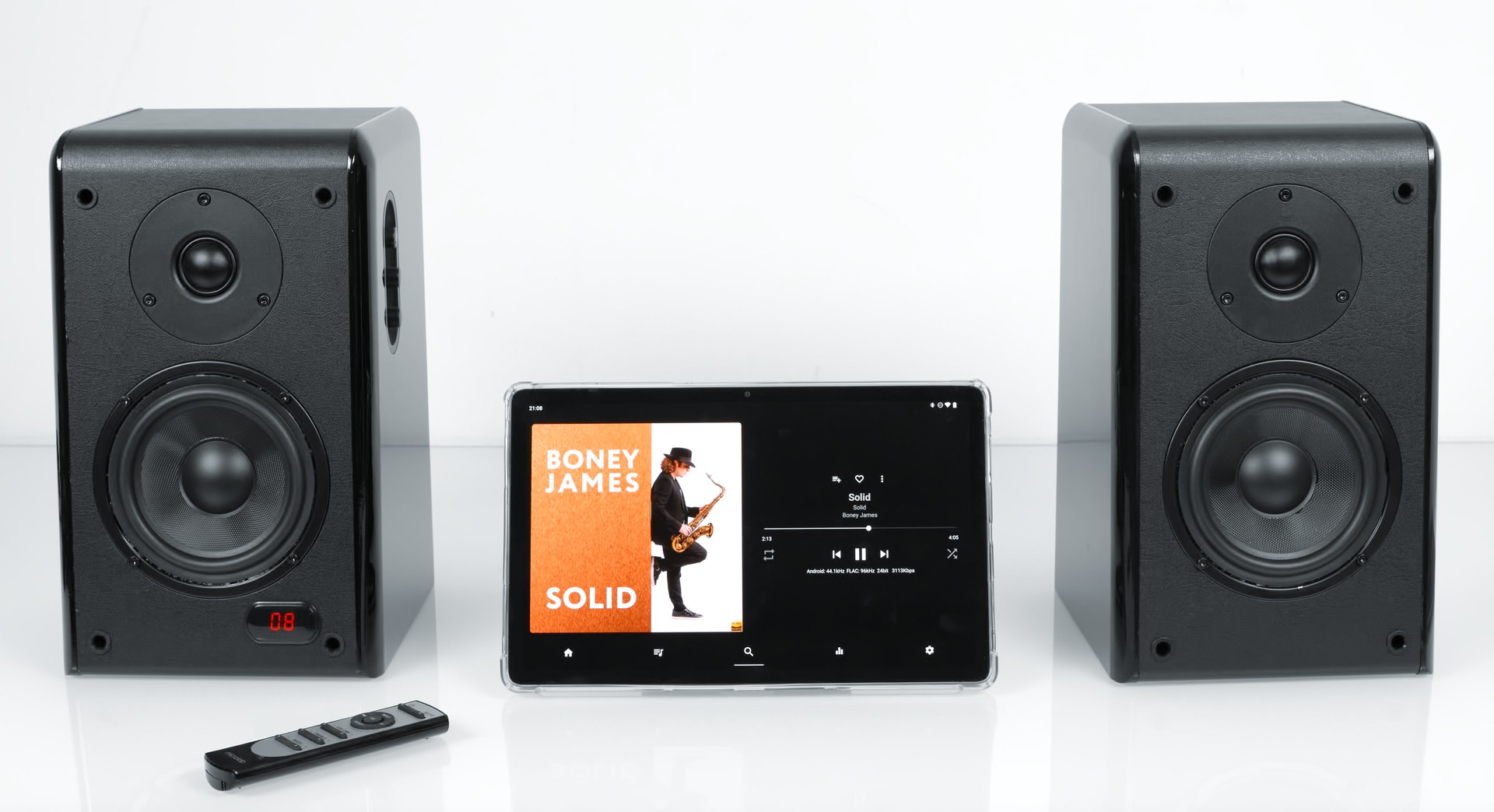
Bluetooth makes it easy to connect modern phones and tablets and enjoy music without a computer. Pairing is straightforward. The speaker remote also controls playback, including pause and track selection.
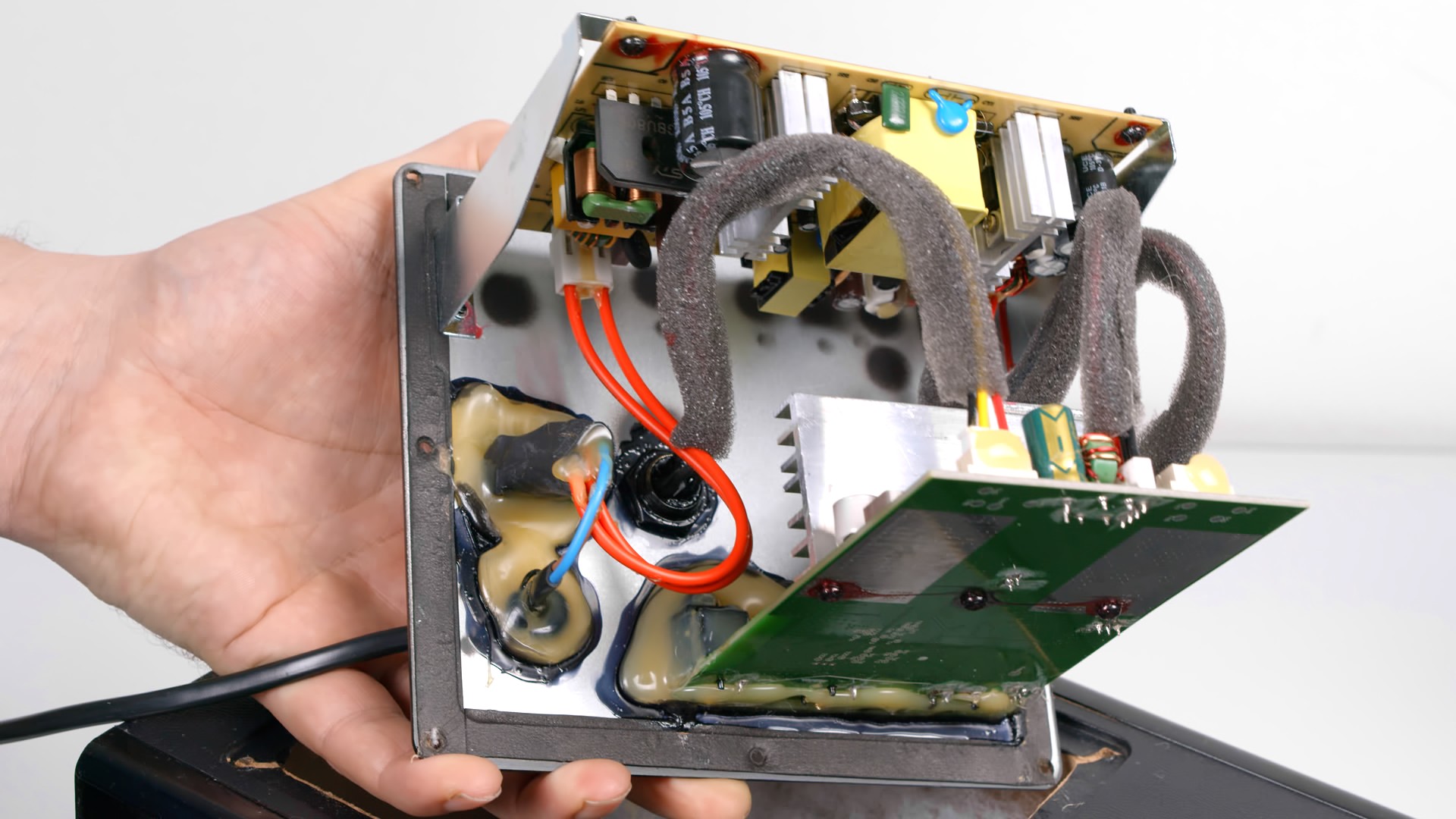
A powerful Class D amplifier is built into the right speaker. The power supply has a separate board, and the amplifier has a large aluminum heatsink.
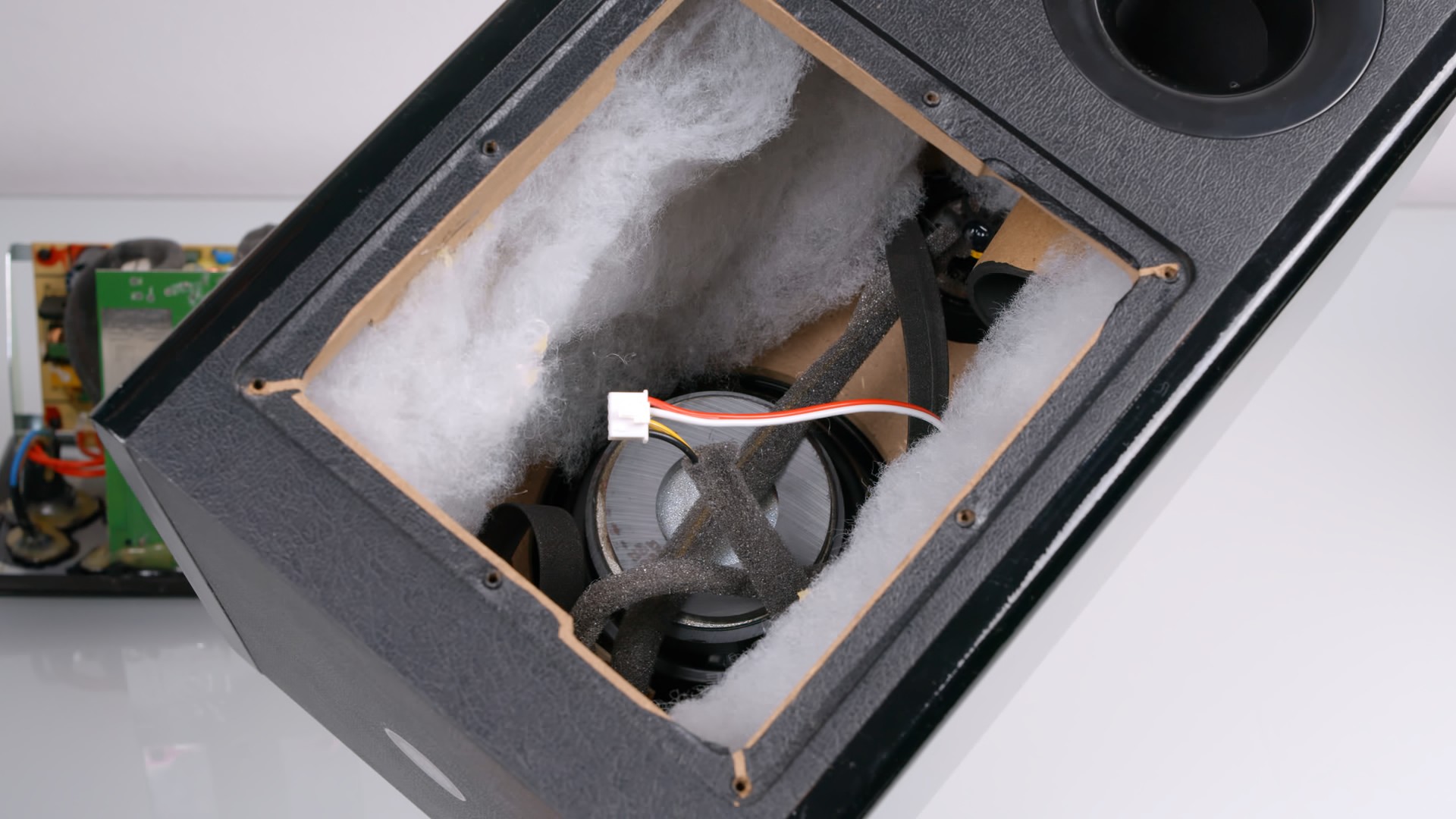
Polyester fiber filling inside improves cabinet acoustics. Foam wraps the wires to prevent rattling.
Measurements
Our measurements use the hardware and software measurement system RightMark™ Audio Analyzer PRO. We also use the measurement microphone Earthworks M50, with a specified frequency-response variation of 0.2 dB from 20 Hz to 20 kHz. The test results are additional technical information. They should not be used alone to judge sound or make a purchase decision.
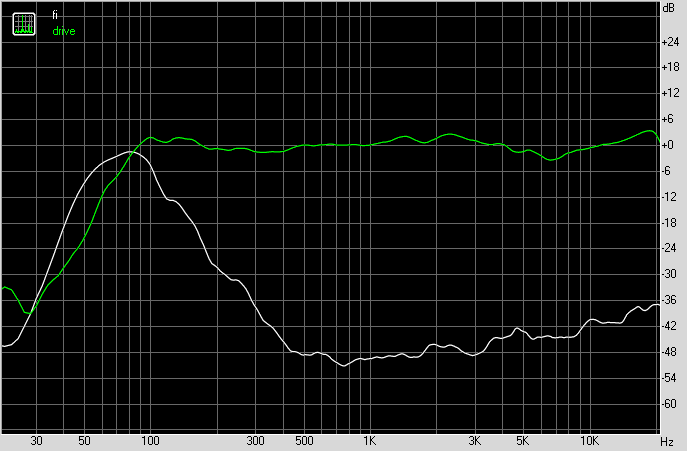
SOLO 11 frequency response

SOLO 11 tone controls
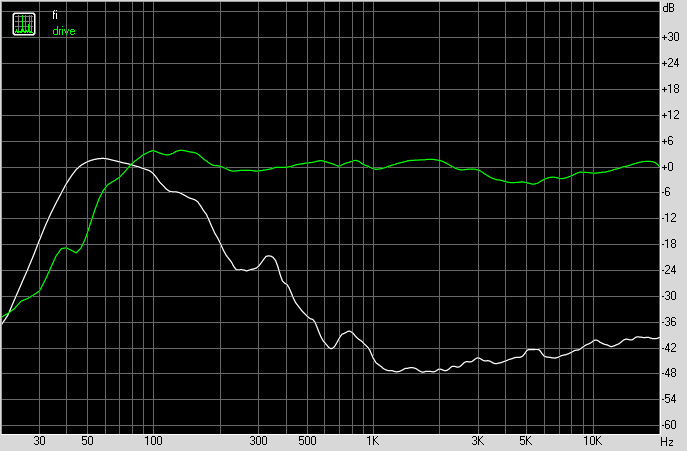
SOLO 16 frequency response
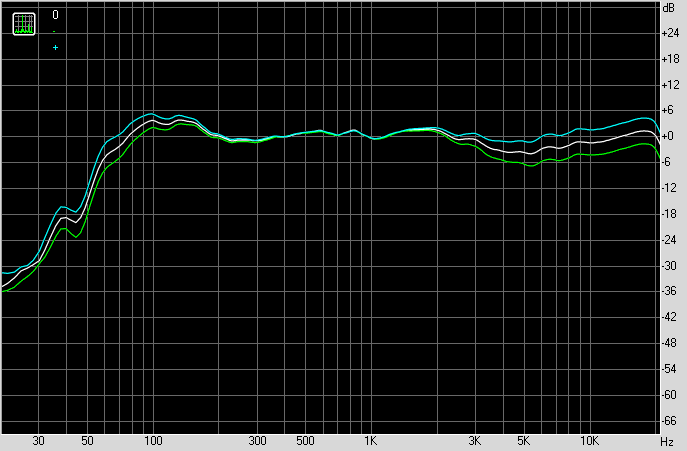
Tone controls SOLO 16
The graphs show a very flat on-axis response and effective bass-reflex operation. Measurements confirm the manufacturer's stated frequency range.
Sound
Testing took place in an acoustically treated room. Bass traps and wall and ceiling panels minimized boom, reflections, and reverberation. The speakers were placed well apart on dedicated metal audiophile stands. The manufacturer deserves credit for the 3-meter bi-wiring cable, which made placement easy. Setup and connection were straightforward.
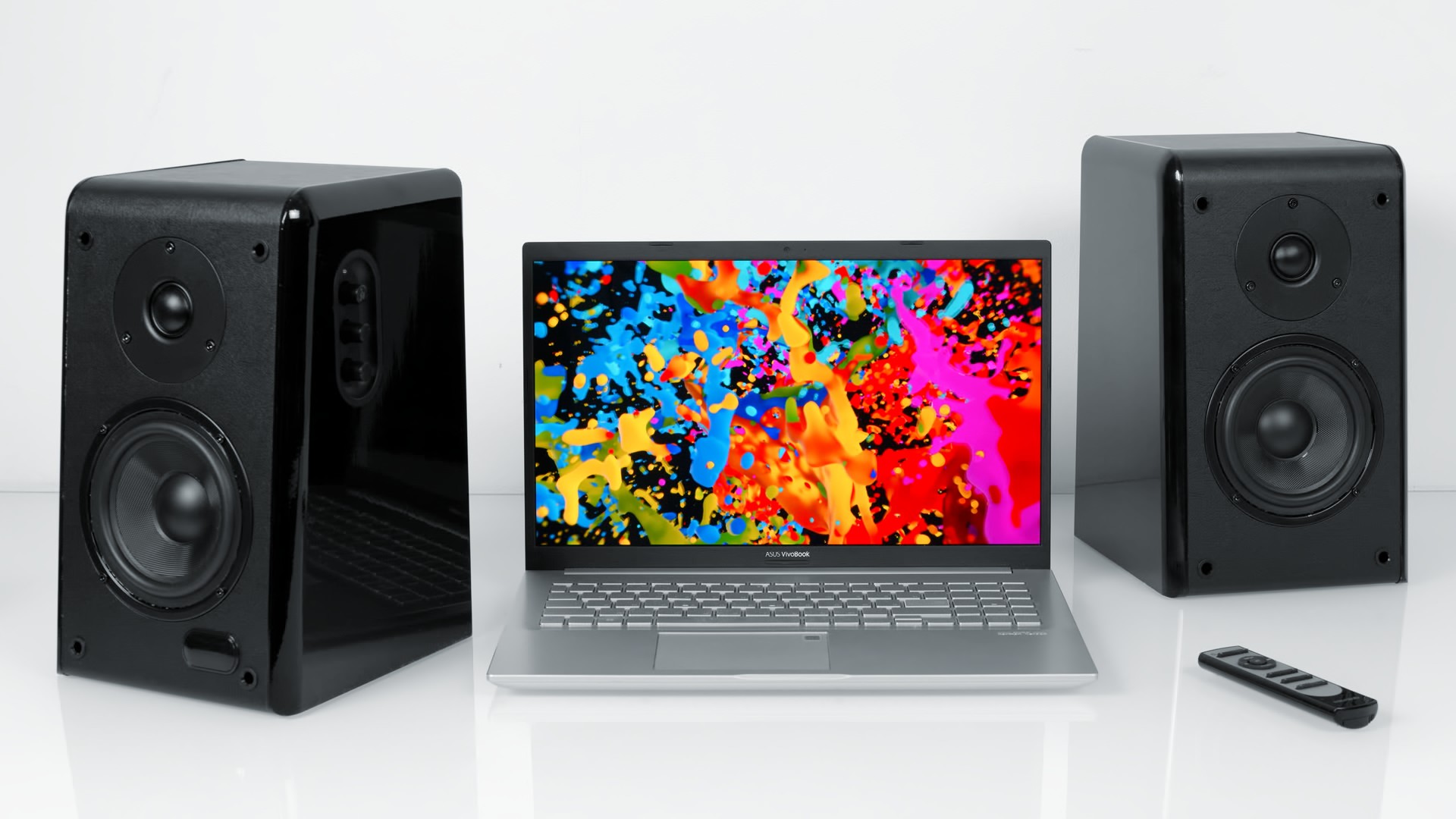
Analog and digital connections sounded very similar, with a small advantage for digital. The analog stereo RCA input accepts a maximum level of 1 Vrms. With standard 2 Vrms audio interfaces, we recommend setting the software volume to 50% and adjusting listening level on the speakers. The amplifier and drivers support high volumes beyond expectations for computer speakers. The cabinet tilt is convenient for desktop use. No equalization is needed in normal placement. Close to a wall or inside a recess, reduce some bass using the useful tone controls.
Correct placement creates an impressive stereo image. Acoustic instruments sound very natural. Both models have the same treble quality, sufficient for proper stereo reproduction. The SOLO 11 has more detailed midrange; the SOLO 16's midrange is less prominent. The SOLO 16, however, has better low bass. Bass is clearly audible, although some aspects may invite criticism. For listeners who want deeper bass, the dedicated LFE output connects an external active subwoofer.
Conclusions
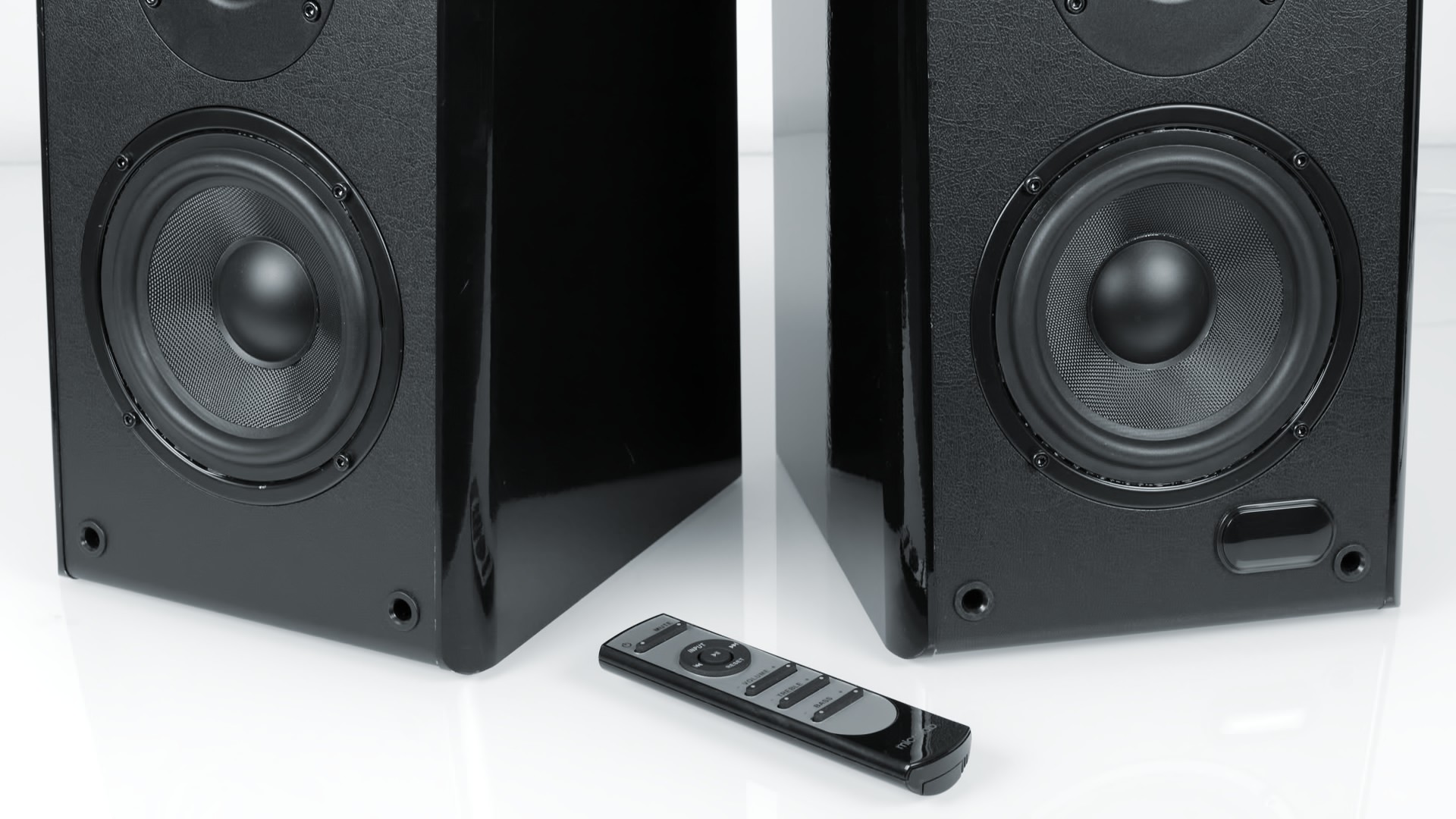
Our tests showed that the SOLO 11 and SOLO 16 are the best and most advanced SOLO speakers in Microlab's history. We liked the excellent appearance: piano lacquer and leather-textured vinyl make an attractive combination. The technical features match the design, with many connections, powerful amplification, bi-amping and bi-wiring, tone controls, and a stylish remote. Sound is also among the best in the manufacturer's range. Users can choose the smaller SOLO 11 with its 5-inch woofer or the bass-rich SOLO 16 with a larger 6.5-inch cone according to their preferences.
Note. This is an adapted machine translation into English. It follows the “In simple terms” approach. Read the original article at https://prosound.ixbt.com/monitors/microlab-solo11-solo16.shtml.