
iCON C1 — a handheld condenser microphone for a mini-jack input
iCON microphones offer good build quality, affordable prices, and a wide choice of models. We recently tested the iCON Dynamic broadcast microphone, which impressed us with its very good sound. Today we will look at the iCON C1, a handheld condenser microphone that works with only +5 V phantom power. It is compatible with a standard computer microphone input and many portable recording devices. The manufacturer positions it for its own mobile audio interfaces: the iCON UPod Live, UPod Pro, UPod Nano, and LivePod Plus. However, the C1 cannot be connected to a mixer or professional recording interface supplying +48 V. For that use, iCON offers the +48 V C1 Pro. Another interesting option is the iCON M4, which has a +5 V/+48 V switch.
The iCON C1 looks excellent. Its all-metal housing is strong and reliable. Build quality matters. We once came across a cheap, unbranded Chinese microphone with a weak plastic housing painted to look like metal. The handle was filled with cement for weight, with very thin wires running through it. That microphone produced severe hum and broke when it was hit.

The iCON C1 is, of course, a proper professional microphone. Its matte finish keeps it from slipping in the hand. The nut-shaped ring on the grille stops the microphone from rolling when placed on a surface.
iCON C1 specifications
| Capsule | 25 mm condenser |
| Polar pattern | Cardioid |
| Frequency range | 40 Hz–18 kHz |
| Sensitivity | -42 dB/Pa |
| Nominal impedance | 600 ohms |
| SPL | 134 dB |
| Signal-to-noise ratio | 68 dB |
| Dynamic range | 123 dB |
| Supply voltage | +2.5–6 V |
| Weight | 260 g |
| Package contents | Stand shock mount, foam windscreen |
The supply voltage range deserves another mention. A computer microphone input typically supplies +2.5 V today. We confirmed that the microphone works well even at this voltage. All that is needed is an XLR-to-mini-jack cable. We used a cable from another microphone, with XLR pin 3 (cold) connected to ground, and everything worked correctly. It is a little disappointing that the iCON C1 does not include such a cable.
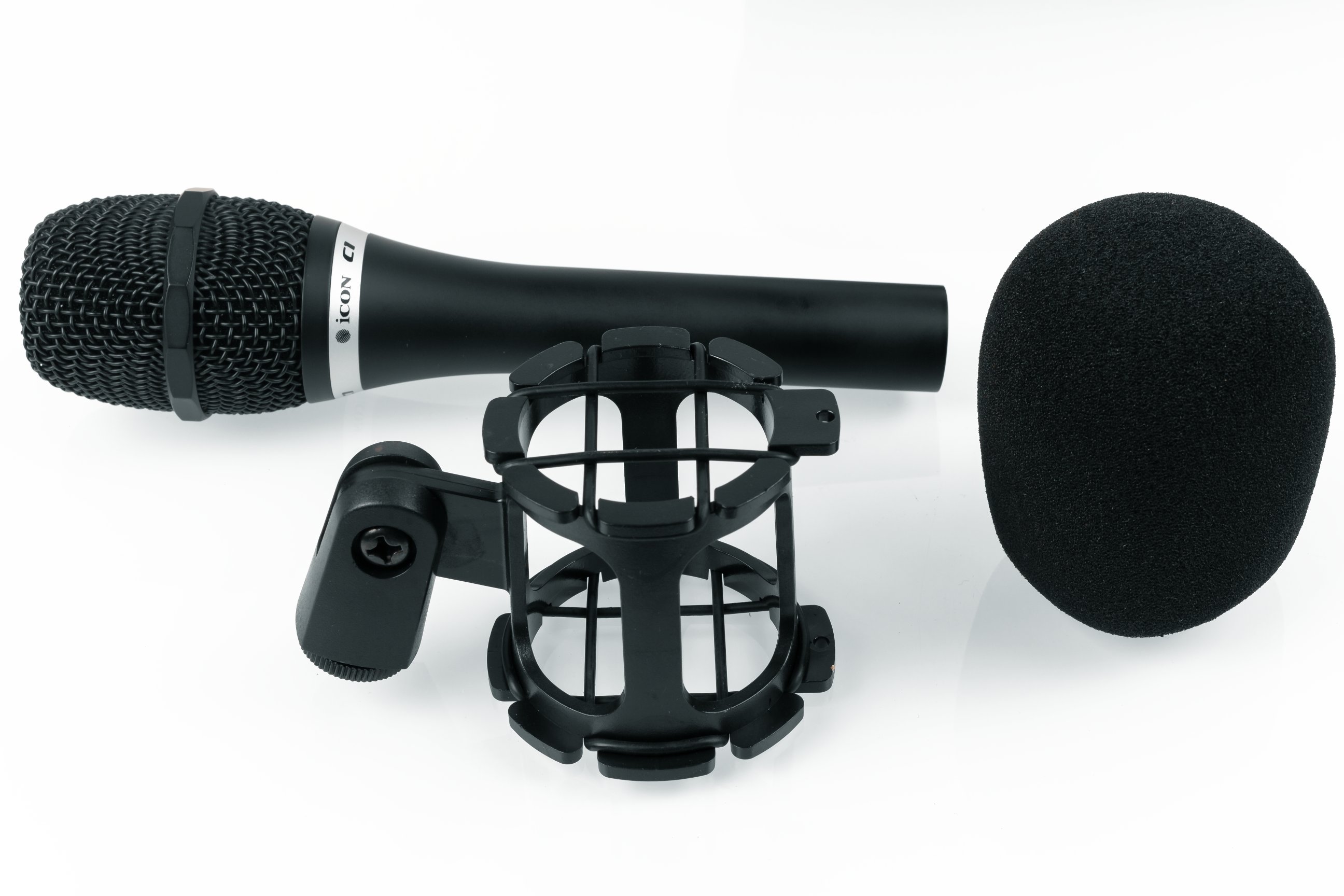
The package does include a stand shock mount and a foam windscreen. The shock mount is a standard type for pencil microphones such as the Neumann KM series. The relatively narrow handle of the iCON C1 fits this mount well. The microphone does not have to be held all the time. It can be mounted on a stand and even used to record an instrument.
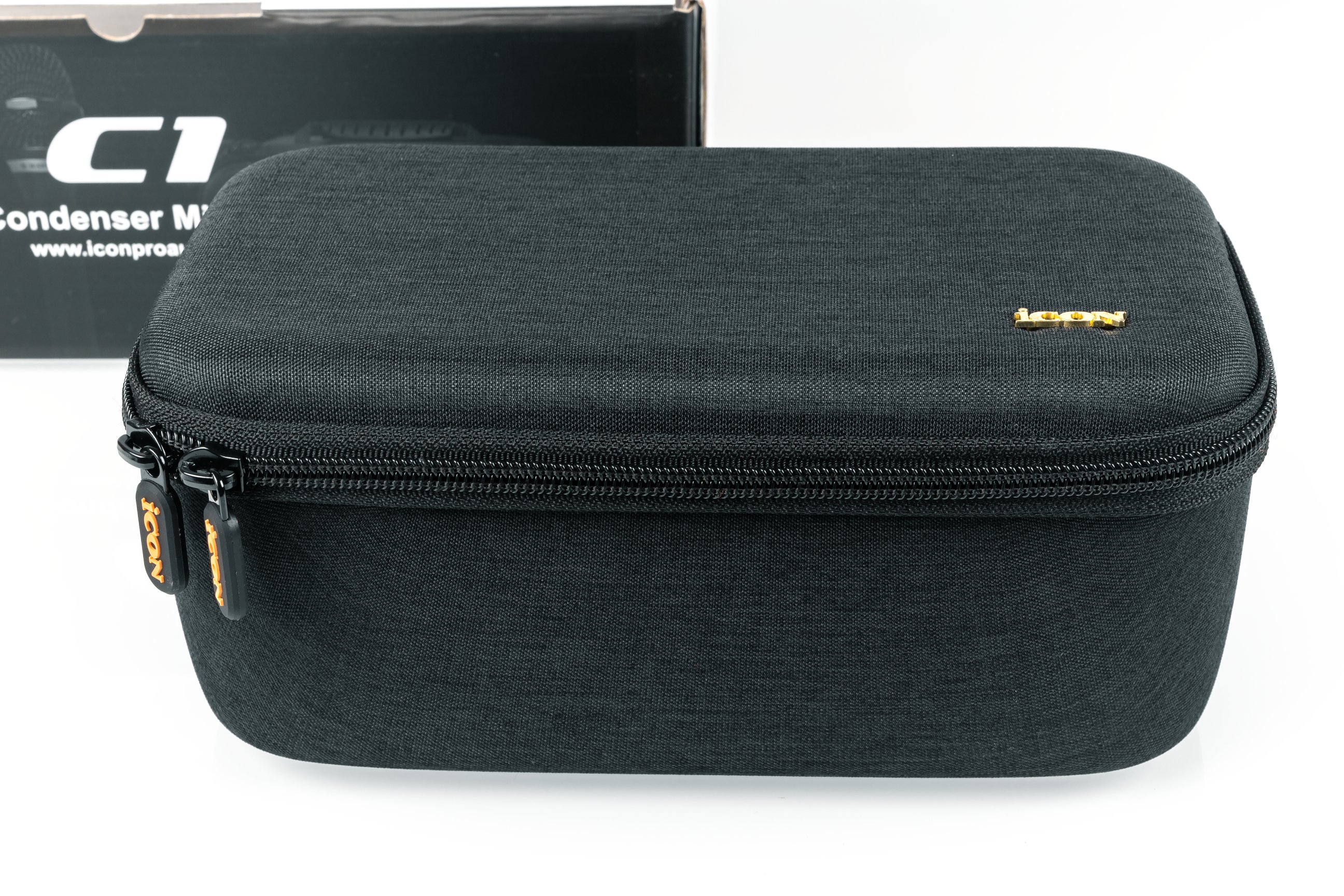
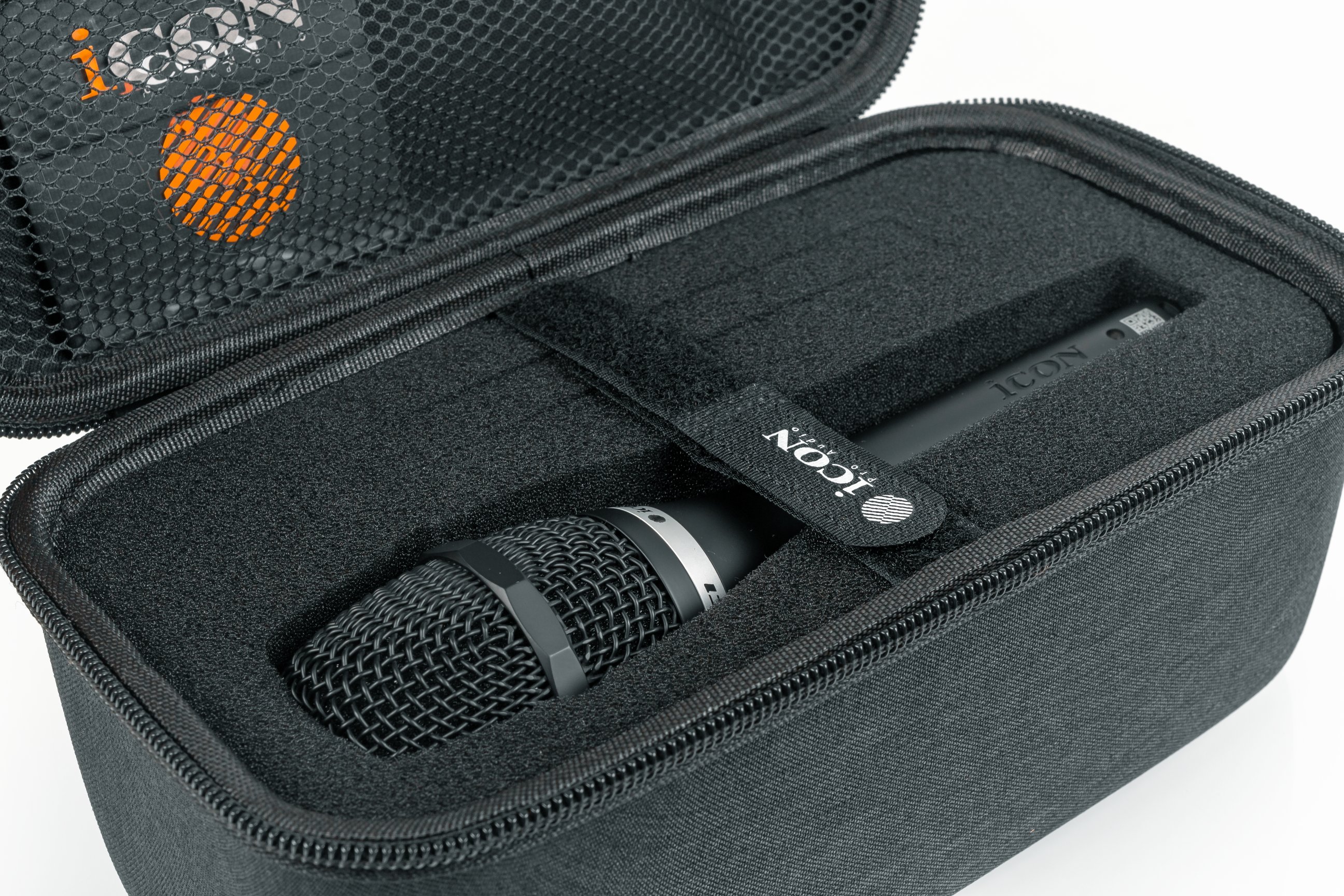
We were even more pleased with the carrying and storage case, which has foam inserts inside.
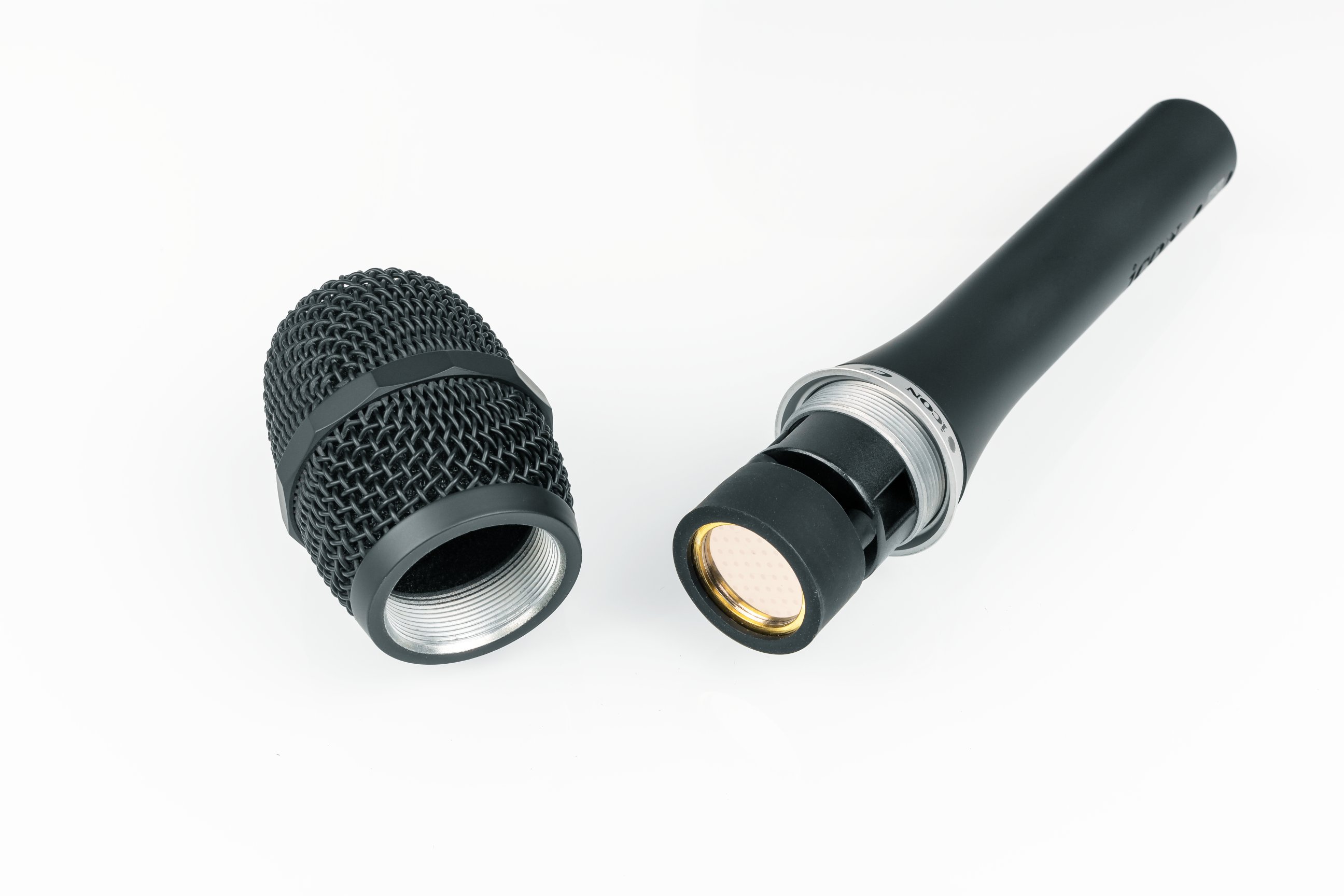 The gold-sputtered 25 mm capsule looks attractive and well made. A rubber suspension isolates it from the housing so that handling noise does not reach the output. A layer of foam under the grille protects against wind and breath noise. For outdoor recording, it makes sense to add the supplied windscreen.
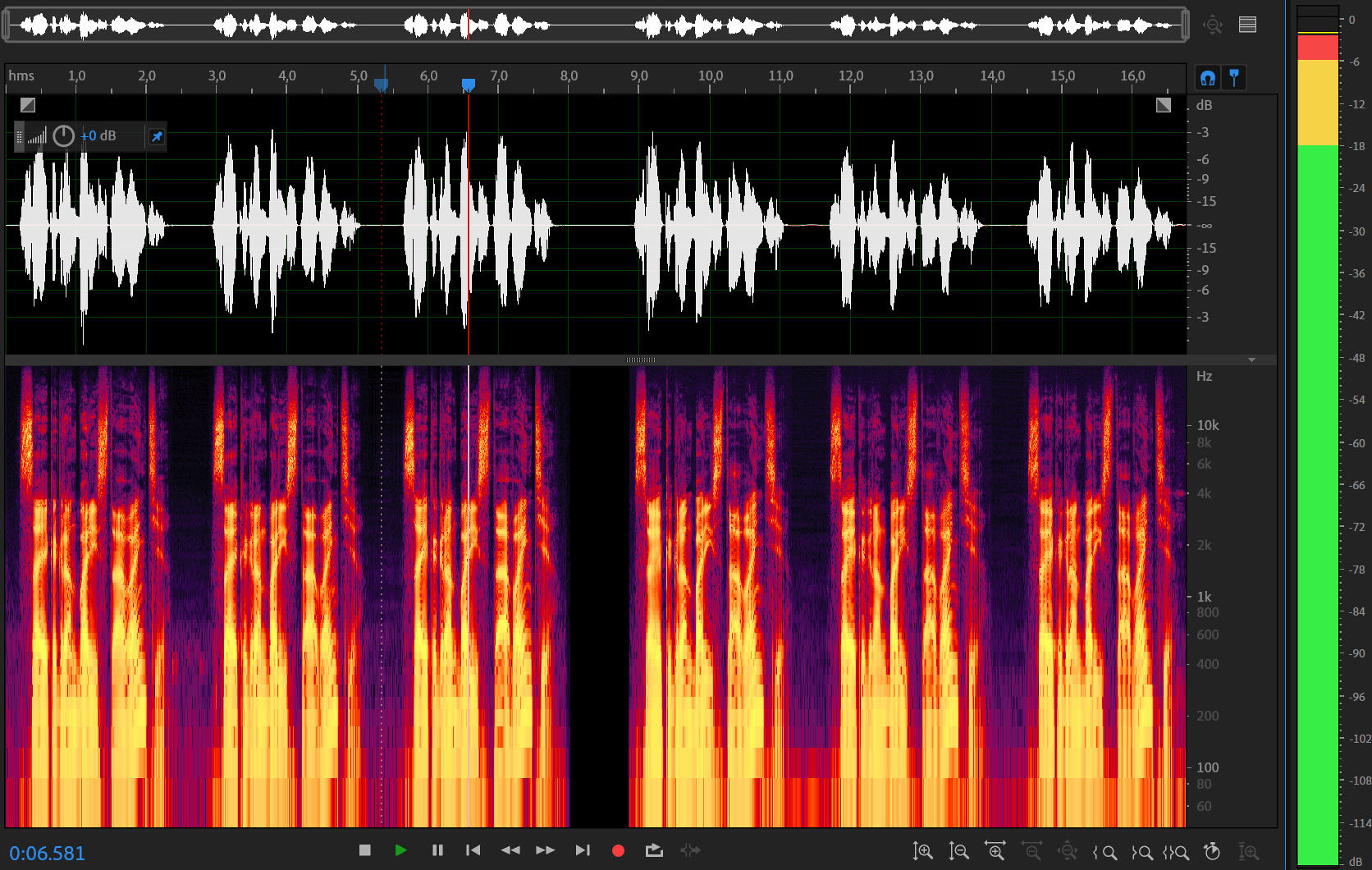
For our sound test, we connected the microphone to the microphone input of an ASUS B560 PLUS motherboard. This uses inexpensive Realtek ALC897 built-in audio: a 24-bit/192 kHz ADC, +42 dB gain, 90 dB signal-to-noise ratio, and 85 dB THD+N. Despite the fairly modest specifications of this effectively free audio device, sound quality was high. Even quiet speech from the iCON C1 reached full-scale levels. We did not need to raise the Windows level slider or increase the level in an editor after recording. We then used the same input and cable with a Chinese desktop condenser microphone that had a 25 mm electret diaphragm and was designed for +48 V. Its signal was 20 dB quieter and suffered from boomy bass, requiring processing.

The iCON C1 had no boominess. The diaphragms were the same size and placed at the same distance, which suggests a hardware low-cut filter in the iCON C1 circuit. The C1 is therefore more ready for live online broadcasting and live singing such as karaoke. We noticed no major difference in overall quality. The capsules may even be the same, as they look very similar. The microphone has a pleasant, full sound and reproduces tone naturally. Handling-noise isolation is fairly effective. Some unwanted sounds remain, but they are quiet and not annoying. The wind protection controls plosives well, and sibilants are not emphasized. Overall sound quality is what we would expect from a branded microphone.
There is another important point. The iCON C1 sounds much better than inexpensive 16 mm condenser microphones or USB microphones at the same price. It needs no special professional sound card. It can connect to an ordinary gaming sound card or to the built-in audio of a desktop or laptop PC. It also works with mobile devices, recorders, smartphones, and tablets. Choose the right connection cable and, for a mobile device, use an adapter.
Conclusions
The iCON C1 proved to be a good condenser microphone with a 25 mm electret capsule. It can deliver high-quality results through an ordinary mini-jack microphone input with +5 V power. Build quality, reliable operation, and the extensive accessory package are strong points. With its shock mount and stand attachment, the microphone suits many tasks: speech, singing, interviews, and online broadcasts. Owners of professional audio interfaces may prefer the more expensive iCON C1 Pro, designed for +48 V phantom power.
Note. This is an adapted machine translation into English. It follows the “In simple terms” approach. Read the original article at https://prosound.ixbt.com/microphones/icon-c1.shtml.